What Did Yeshua Teach During The Forty Days After His Resurrection?

When we talk about the resurrection of Yeshua, we tend to concentrate on the empty tomb, the women who discovered it, and the appearances of the risen Messiah to His disciples. And rightly so! He had conquered death. The grave could not hold Him, and everything God had spoken through the Prophets concerning His suffering and resurrection was coming into view. But there is something else we need to pay attention to. Yeshua did not rise from the dead and immediately ascend to the Father. He remained with His disciples for forty days, and He used that time to teach them.
Think about that for a moment. The Messiah had been crucified, buried, and raised from the dead. His disciples had witnessed something that would change the course of their lives, yet Yeshua still had more to teach them before He departed. He appeared to them, spoke with them, answered their questions, explained the Scriptures, corrected their understanding, and prepared them for the responsibility they were about to receive. Luke tells us specifically that He spoke to them about the Kingdom of God. That ought to make us stop and ask a question: What did Yeshua consider so important that He continued teaching His disciples for forty days AFTER His resurrection?
These forty days were a period of instruction and preparation. The disciples had seen Him die, but now they needed to understand what His death and resurrection meant in light of everything God had already revealed. They needed to understand the Scriptures, the Kingdom, the mission they were being given, and the promise of the Holy Spirit. They were going to be His witnesses, and their testimony would carry His message far beyond Jerusalem. Yeshua was preparing them for that responsibility.
Now, we have the biblical accounts of these appearances and teachings, along with ancient writings outside the Bible that claim to preserve additional conversations with the risen Messiah. Some of those writings are worth examining, particularly because they reveal what certain early Christian communities believed about Yeshua’s post-resurrection teaching. But we need to know what we’re looking at. A writing claiming that Yeshua said something does not automatically make those words His. We will examine the biblical record first, then investigate the other writings and what they can actually establish. We aren’t going to manufacture missing conversations, nor are we going to dismiss historical evidence without examining it. God’s Word is our foundation, and that’s where we’re going to begin.
1. The Forty Days and the Kingdom of God
Acts 1:1-3
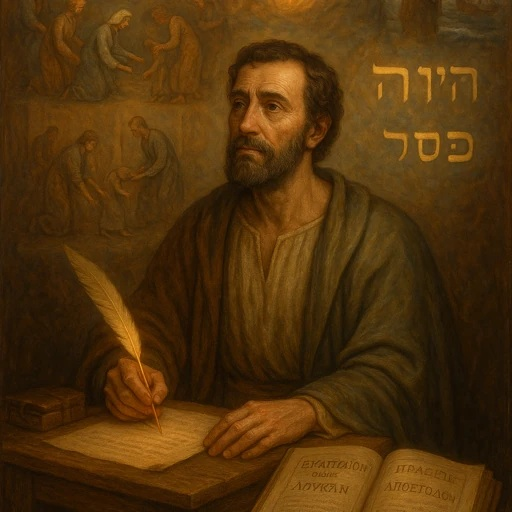
Luke begins Acts by reminding Theophilus of his earlier account concerning everything Yeshua began to do and teach. He then tells us that after His suffering, Yeshua presented Himself alive to His apostles through many convincing proofs. He appeared to them over forty days and spoke about the Kingdom of God.
There it is, right in the opening verses of Acts! Forty days of appearances and instruction, and Luke specifically identifies the Kingdom of God as the subject Yeshua addressed. This wasn’t a casual conversation while everybody waited for something else to happen. The risen Messiah was continuing to teach the very message He had proclaimed throughout His ministry.
Let’s look at the wording. Luke uses the Greek word τεκμήριον (tekmērion), meaning proof or evidence that establishes something as true. Yeshua presented Himself alive with convincing evidence. The apostles weren’t being asked to believe that their beloved teacher somehow lived on in their memories. They were confronted with the living Messiah. He stood before them, spoke with them, and demonstrated that He had risen.
Then we come to the expression βασιλεία τοῦ Θεοῦ (basileia tou Theou), Kingdom of God. The word βασιλεία (basileia) means kingship, royal authority, or reign. This is important because the Kingdom of God is not simply a place or a territory. It is God’s rule and authority. It concerns His sovereignty, His purposes, and the establishment of His reign.
Now consider this: Yeshua had preached the Kingdom before His crucifixion. He taught about God’s authority, the responsibilities of those who belong to Him, and the coming fulfillment of God’s purposes. After His resurrection, He continued teaching about that same Kingdom. His resurrection had not replaced His message. It had confirmed the identity and authority of the One proclaiming it.
And this raises another important question. If Yeshua spent forty days teaching about the Kingdom of God, why do we so often, concentrate almost entirely on the appearances and the ascension while giving so little attention to what Luke identifies as His teaching subject? The Kingdom wasn’t an incidental part of those forty days. Luke deliberately tells us what Yeshua was discussing. We ought to give that information the attention it deserves.
2. Yeshua Opened Their Understanding of the Scriptures
Luke 24:25-27, 44-47
One of the most significant things Yeshua did during this period was take His disciples back to the Scriptures and show them what they had failed to understand. This is particularly evident in the account of the two disciples traveling to Emmaus. They were discussing everything that had happened in Jerusalem when Yeshua approached and began walking with them. They didn’t recognize Him, and when He asked what they were discussing, they explained the events surrounding His crucifixion and the reports of His empty tomb. They had hoped He was the One who would redeem Israel, but His death had left them confused and disappointed.
Yeshua didn’t simply reassure them that everything would be all right. He corrected them! He told them they were foolish and slow to believe everything the Prophets had spoken. Then He explained that the Messiah had to suffer these things before entering His glory. Beginning with Moses and continuing through all the Prophets, He showed them what the Scriptures said concerning Him.
Now, I want you to think about what He was doing here. Yeshua wasn’t inventing a new explanation after the resurrection. He was showing them what had been written all along! The suffering of the Messiah had not been a mistake, an unfortunate turn of events, or a failure of God’s plan. It was part of what God had already revealed. The disciples had known the Scriptures, but they had not understood how those Scriptures pointed to the suffering and glory of the Messiah.
Later, when Yeshua appeared among the gathered disciples, He returned to this same subject. In Luke 24:44-45, He reminded them that everything written about Him in the Law of Moses, the Prophets, and the Psalms had to be fulfilled. Then He opened their understanding so they could comprehend the Scriptures.
The Greek wording is διήνοιξεν αὐτῶν τὸν νοῦν (diēnoixen autōn ton noun). The verb διανοίγω (dianoigō) means to open thoroughly, and νοῦς (nous) means mind or understanding. Yeshua opened their minds to understand what the Scriptures were actually saying. They weren’t receiving a replacement for Scripture. They were being given understanding of what God had already revealed.
This is something we need to take seriously in our own Bible study. We can read the same passage over and over, know the words, and even memorize them, yet still fail to understand what God is telling us. The disciples had walked with Yeshua Himself, listened to His teaching, and witnessed His miracles, but they still needed Him to open their understanding. Knowing what is written and understanding what is written are two different things.
Then Yeshua explained what was to be proclaimed: the Messiah would suffer, rise from the dead on the third day, and repentance for the forgiveness of sins would be proclaimed in His name among all nations, beginning in Jerusalem, Luke 24:46-47. Notice the connection. His suffering, resurrection, repentance, forgiveness, and the proclamation to the nations all belong to the same message. This was not a collection of unrelated teachings. It was the fulfillment of God’s purposes through His Messiah, and the disciples were now responsible for carrying that message into the world.
3. Yeshua Established That His Resurrection Was Real
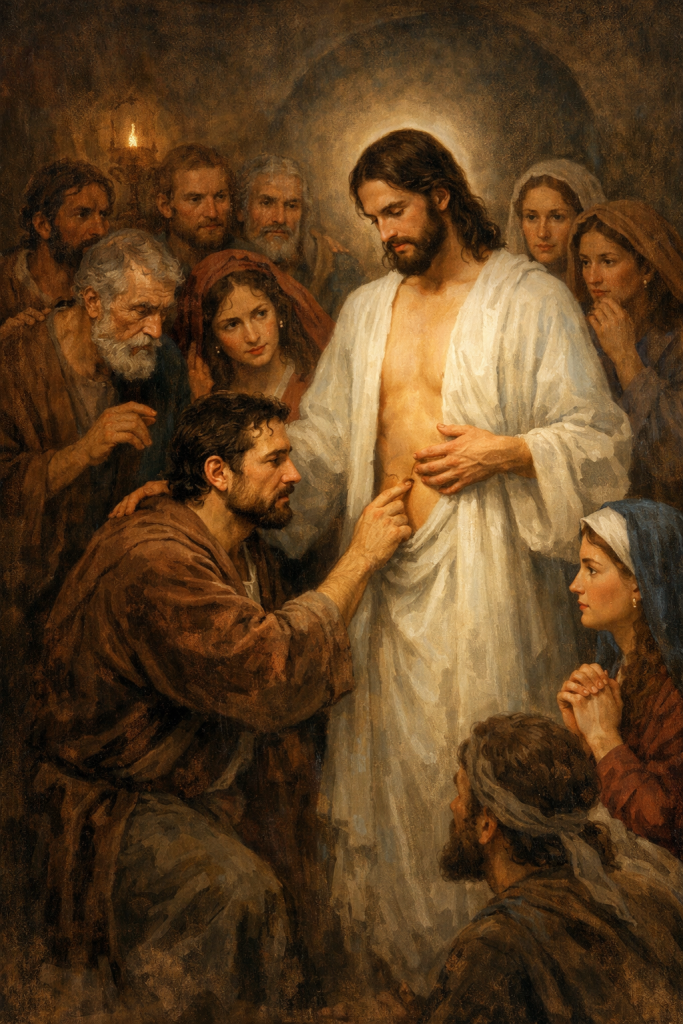
Luke 24:36-43; John 20:19-29
There was something else the disciples needed to understand, and Yeshua made certain they understood it: He had physically risen from the dead! When He appeared among them, they were frightened and thought they were seeing a spirit. Yeshua asked why they were troubled and why doubts were arising in their hearts. Then He showed them His hands and feet and told them to look at Him and touch Him. He explained that a spirit did not have flesh and bones as they could see He had.
And if that wasn’t enough to settle the matter, He asked them whether they had anything to eat. They gave Him a piece of broiled fish, and He ate it in front of them.
I love that detail because it leaves very little room for somebody to turn the resurrection into nothing more than a spiritual experience or a memory that lived on in the hearts of His followers. Yeshua was standing there with them. They could see Him, hear Him, and touch Him. He even ate in their presence. The One who had been crucified was alive!
John gives us another account involving Thomas, who wasn’t present when Yeshua first appeared to the disciples. When the others told him they had seen the Lord, Thomas refused to accept their testimony without seeing the evidence himself. He wanted to see the nail wounds and put his hand into Yeshua’s side.
When Yeshua appeared again, He addressed Thomas directly and invited him to examine His wounds. Thomas responded with the declaration, “My Lord and my God!” This was no longer a matter of somebody telling Thomas what had happened. He was standing before the risen Messiah himself.
Yeshua then spoke about those who would believe without having personally seen Him. That statement is important because the disciples’ eyewitness testimony would become the foundation of the message carried to future generations. They had been given the privilege of seeing the risen Messiah, and they were to testify to what they had witnessed.
The resurrection was not merely something Yeshua wanted them to believe. He established its reality before them. His physical resurrection was central to their testimony, and it remains central to the message they were commissioned to proclaim.
4. Yeshua Explained the Mission That Would Follow His Ascension
Matthew 28:18-20; Luke 24:47-49; Acts 1:8
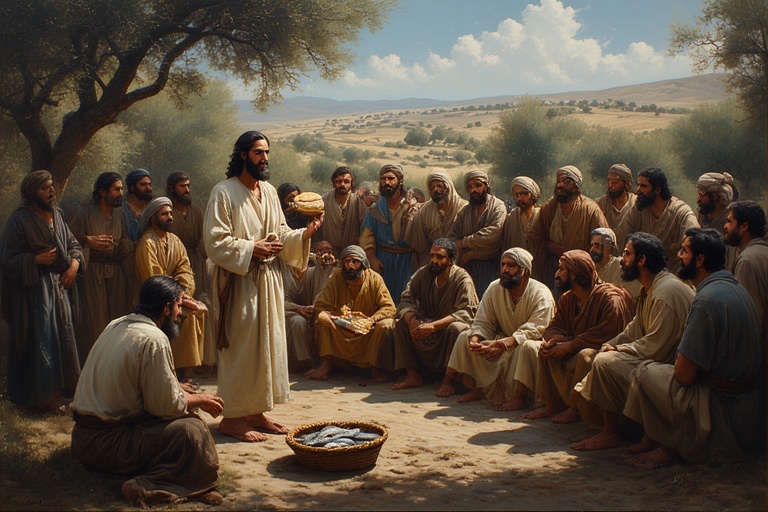
Yeshua wasn’t preparing His disciples simply to remember Him after He departed. He was preparing them to carry His message into the world. In Matthew 28:18-20, He began by declaring that all authority in heaven and on earth had been given to Him. Then He gave them their commission: to make disciples among all nations, baptize them, and teach them to observe everything He had commanded.
Let’s pay attention to that instruction. He didn’t tell them to go out and establish their own teachings, create their own religious systems, or come up with something new to attract followers. He told them to make disciples and teach them to observe His commands.
The Greek word μαθητεύσατε (mathēteusate) means make disciples. A disciple is a learner, someone who follows the instruction of a teacher. Yeshua was commissioning His followers to make more followers who would learn His teachings and live according to them. This was an ongoing responsibility, not simply an announcement that He had risen.
And notice what He placed at the foundation of this commission: His authority. All authority in heaven and on earth belonged to Him. The disciples weren’t going out under their own authority. They were carrying the message of the One who had been given all authority.
Luke adds another important part of the instruction. Repentance and forgiveness of sins were to be proclaimed in His name among all nations, beginning in Jerusalem. Then Yeshua told them to remain in the city until they received the promise of the Father. They had a mission, but they were not to rush out and attempt to accomplish it without what God had promised to give them.
In Acts 1:8, He explained that they would receive power when the Holy Spirit came upon them and would become His witnesses in Jerusalem, throughout Judea and Samaria, and to the ends of the earth.
The Greek word μάρτυς (martys) means witness, someone who gives testimony concerning what he knows or has personally witnessed. These disciples had seen the risen Yeshua. They knew what had happened to Him, and they had received His teaching. Their responsibility was to testify to that truth.
Look at the progression: Jerusalem, Judea, Samaria, and the ends of the earth. The message was not going to remain within the boundaries of Israel. It was going out to the nations. The disciples were being commissioned to carry the testimony of the risen Messiah wherever God opened the way.
5. The Promise of the Father and the Coming of the Holy Spirit
Luke 24:49; Acts 1:4-8
Yeshua instructed His disciples to remain in Jerusalem and wait for the promise of the Father. He reminded them that John had baptized with water, but they would be baptized with the Holy Spirit and with fire, not many days afterward.
Now, their response is interesting. They asked Him, “Lord, are you at this time going to restore the kingdom to Israel?” Acts 1:6.
Why would they ask that? Because they understood the promises concerning Israel’s restoration and wanted to know whether the time had finally arrived. They had just witnessed the resurrection of the Messiah, and they were trying to understand what would happen next.
Yeshua answered that the times and seasons were under the Father’s authority. In other words, the Father had not given them the timetable, and it wasn’t their responsibility to determine it. Instead, He brought their attention back to what they were about to receive: power through the Holy Spirit.
I want to point something out here. Yeshua did not tell them that Israel’s restoration was a foolish question or that God’s promises concerning Israel no longer mattered. He told them that the timing belonged to the Father. Their immediate responsibility was to receive the promised Spirit and become witnesses.
The Greek word δύναμις (dynamis) means power, ability, or might. This was not a commission they were expected to fulfill through determination and human effort alone. They needed the power God had promised.
And what happened? In Acts 2, the Holy Spirit came upon the disciples, and they began proclaiming the mighty works of God. Peter stood up and testified concerning Yeshua, His crucifixion, and His resurrection. The instruction given during the forty days was now moving into action.
There is a lesson here that we should not overlook. Yeshua had spent time teaching these men. He had explained the Scriptures, corrected their understanding, and given them their commission. Yet He still told them to wait. Having an assignment from God does not mean we are to run ahead of His provision. The disciples needed the promise of the Father, and Yeshua made certain they understood that before He ascended.
6. The Restoration of Peter and the Responsibility of Shepherding
John 21:1-19
John records another appearance of the risen Yeshua beside the Sea of Galilee. The disciples had gone fishing, but they had caught nothing during the night. Yeshua stood on the shore and told them to cast their net on the right side of the boat. They did, and they caught so many fish that they couldn’t haul the net in.
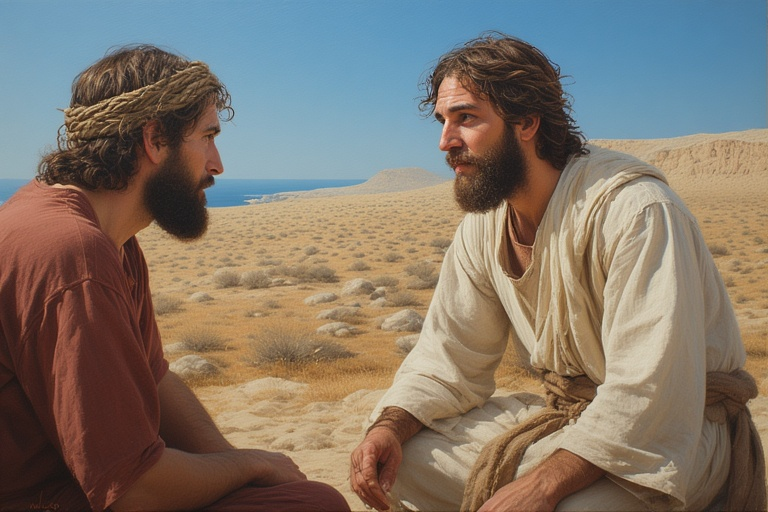
When they came ashore, they found that Yeshua had prepared a charcoal fire with fish and bread. He invited them to bring some of the fish they had caught and eat with Him.
After breakfast, Yeshua turned His attention to Peter. Three times He asked Peter whether he loved Him, and three times Peter answered. Each time, Yeshua gave him responsibility concerning His sheep: feed His lambs, shepherd His sheep, and feed His sheep.
Now, why is this conversation so important? Remember what Peter had done before the crucifixion. He had insisted that he would remain faithful, even if everyone else abandoned Yeshua. Yet when the pressure came, Peter denied knowing Him three times. He had failed in the very area where he had been so confident.
And now, after His resurrection, Yeshua addressed him three times and entrusted him with responsibility for His followers. Peter’s failure had not ended his usefulness. Yeshua was restoring him and making it clear that the responsibility of caring for His people was still before him.
There is something else worth examining in the Greek wording. In the conversation, John uses forms of ἀγαπάω (agapaō) and φιλέω (phileō) for love, while Yeshua uses both βόσκω (boskō), meaning feed, and ποιμαίνω (poimainō), meaning shepherd or tend. The instruction concerns more than gathering people or preaching a message. It involves nourishing, guiding, and caring for the flock.
A shepherd doesn’t abandon the sheep after showing them where the pasture is. He has an ongoing responsibility toward them. Peter was being entrusted with the care of people who belonged to Yeshua.
We should also remember that John does not give us the precise day of this appearance within the forty-day period. What he does give us is the account of Peter’s restoration and the responsibility Yeshua placed upon him. That is what matters in this discussion. The risen Messiah was preparing His followers not only to proclaim the message but also to care for those who would follow Him.
7. The Ascension and the Promise of His Return
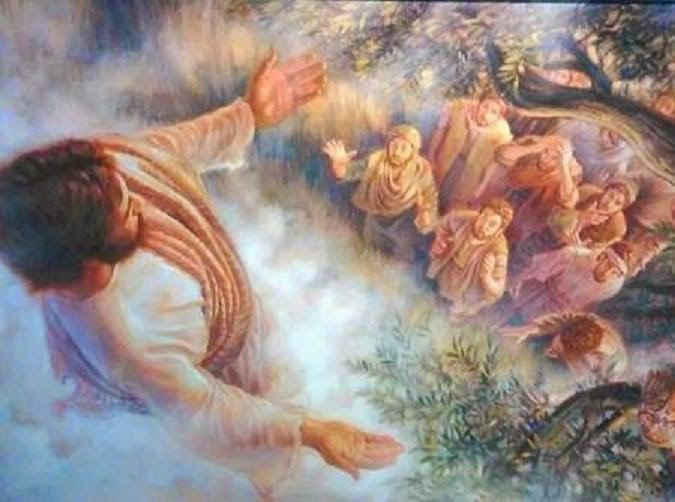
Acts 1:9-11
After Yeshua had given His instructions, He was taken up before the disciples’ eyes, and a cloud received Him from their sight. They stood looking toward heaven as He departed, when two men dressed in white appeared beside them.
Their question was direct: “Men of Galilee, why do you stand here looking into the sky?” Then they gave them an assurance that is just as important today as it was then: the same Yeshua who had been taken from them into heaven would return in the same manner in which they had seen Him go.
Notice the wording. It was the same Yeshua. The One who had been crucified and raised from the dead, the One who had stood before them and taught them during those forty days, was the One who had ascended. His departure did not mean His authority had ended, and it certainly did not mean His promises had failed.
The disciples had received their instructions. They had been told to wait for the Father’s promise, and they had been commissioned to become witnesses. Now they had also received the assurance of His return.
What did they do? They returned to Jerusalem. They didn’t spend the rest of their lives standing on the mountain staring at the sky. They went back and prepared to carry out what Yeshua had instructed them to do.
The ascension was the conclusion of His visible appearances during this period, but it was not the conclusion of His work. The disciples were about to take the testimony of the risen Messiah into the world, and the promise of His return remained before them.
8. What Do the Ancient Writings Outside the Bible Tell Us?
Now we’re going to look beyond the biblical record, because there are ancient writings that claim to preserve additional teachings and conversations of the risen Yeshua. Some of these documents are quite interesting, and they deserve more than a passing mention. But we need to examine what they actually say, when they were written, and what historical value they have.
One of these writings is the Epistle of the Apostles, also known by its Latin name Epistula Apostolorum. This work is generally dated to the second century and presents itself as a message from the apostles containing accounts of conversations with the risen Yeshua. It includes questions and answers about the resurrection, judgment, future events, and the mission of the apostles.
What makes this writing particularly interesting is that it presents the risen Messiah as continuing to instruct His followers. Its subject matter overlaps with several themes found in Acts and the Gospels. However, the existence of similar subjects does not establish that the conversations recorded in this document actually occurred. The work belongs to the early history of Christian literature, and it provides evidence of what some early believers taught and defended concerning the risen Messiah. It is not an eyewitness transcript of those forty days.
Another writing worth examining is Pistis Sophia, which survives in a Coptic manuscript known as the Askew Codex, now held by the British Library. This work presents lengthy conversations between Yeshua and His disciples after His resurrection. It includes discussions about repentance, forgiveness, baptism, judgment, heavenly realms, and spiritual mysteries. Mary Magdalene has a particularly prominent role, frequently asking questions and receiving explanations.
But here is something that really stands out when we compare it with Acts. Pistis Sophia describes Yeshua teaching His disciples for eleven years after His resurrection before revealing additional mysteries. Eleven years! That is quite a difference from the forty days specifically identified in Acts 1:3.
The writing belongs to a much later religious setting than the events it describes. Its surviving manuscript is in Coptic, and the work is generally associated with the third or fourth century. Its elaborate descriptions of heavenly beings, spiritual realms, and mysteries reflect the religious ideas found in the community or communities associated with its composition.
This is where we need to recognize the difference between historical evidence and religious tradition. Pistis Sophia claims that some later Christian communities developed extensive teachings about what the risen Yeshua supposedly revealed to His disciples. It does not establish that He remained on earth for eleven years or that He delivered the teachings recorded in that document. Acts gives us the forty-day period and the ascension. We cannot simply stretch that period to accommodate a later writing.
The Gospel of Mary, commonly identified as the Gospel of Mary Magdalene, is an early Christian writing that presents Mary as receiving teachings and revelations from Yeshua after His resurrection. Although most scholars identify this Mary as Mary Magdalene, the surviving manuscript does not explicitly identify her by that designation.” It survives in an incomplete Coptic manuscript, along with two earlier Greek fragments.
Peter and Andrew challenge Mary’s account, while Levi (Matthew) defends her. The discussion involves spiritual understanding, revelation, and the question of who has the authority to teach. This is particularly interesting because it shows that questions about revelation and authority were being discussed within early Christian communities.
However, the surviving manuscript is incomplete, and the work does not establish that the conversation took place during the forty days before the ascension. It gives us evidence of religious discussions and beliefs associated with the community behind the writing. It does not give us verified additional words of Yeshua.
Then we have the Apocryphon of James, also called the Secret Book of James. This writing presents a private revelation involving James and Peter. Its account places the encounter 550 days after the resurrection. That is well beyond the forty days recorded in Acts.
Again, there is a later writing presenting additional instruction supposedly received from the risen Messiah. It is useful for understanding the kinds of revelations and teachings that circulated in certain Christian communities, but it cannot be used to establish what Yeshua taught before His ascension.
Now, why am I taking the time to examine these writings? Because they demonstrate that the subject of Yeshua’s post-resurrection teaching continued to interest people long after the apostles’ time. Different communities preserved different accounts, developed different explanations, and sometimes attributed additional revelations to Him.
That is worth knowing. But we must not confuse a later community’s beliefs with the actual words of the Messiah. The age of a document, its manuscript history, its language, and its relationship to other historical evidence all matter. A document can be historically valuable without every event it describes being historically established.
We have the biblical account of forty days. We have later writings claiming additional conversations. Those are two different bodies of evidence, and they need to remain distinguishable.
9. What Can the Dead Sea Scrolls Contribute to This Study?
The Dead Sea Scrolls are important to this investigation, but not because they tell us what Yeshua taught after His resurrection. They don’t contain a record of those forty days. Their importance lies in what they reveal about the Jewish religious world in which Yeshua lived and taught.
The manuscripts discovered around Qumran include copies of biblical books, prayers, community regulations, interpretations of Scripture, and other religious writings. They provide us with an extraordinary look into Jewish religious thought during the Second Temple period. They also demonstrate the importance of Scripture, the expectation of God’s intervention, and the variety of religious beliefs present during that time.
This background helps us understand the disciples’ question in Acts 1:6. When they asked Yeshua whether He was going to restore the Kingdom to Israel, they weren’t pulling that question out of thin air. They knew the promises God had made concerning Israel. They knew the Prophets had spoken about restoration, God’s rule, judgment, and the future of His people.
Their question reflected the world in which they had grown up, a world shaped by the Scriptures and the expectation that God would fulfill His promises.
The Dead Sea Scrolls help us understand that historical and religious setting. They also provide important textual evidence for the Hebrew Scriptures, allowing us to examine biblical wording in manuscripts dating from before and around the time of Yeshua.
That is especially valuable when studying passages from the Hebrew Scriptures that Yeshua discussed with His disciples. We can examine the ancient Hebrew text rather than relying only on much later copies. The scrolls give us an important window into the preservation and transmission of the Scriptures.
But let’s keep their contribution clear. They help us understand the Jewish world, its Scriptures, and its religious expectations. They are not a missing account of Yeshua’s conversations after the resurrection. Their value is substantial without asking them to establish something they don’t contain.
10. What About the Things Yeshua Said His Disciples Were Not Yet Ready to Receive?
John 16:12-13
Before His crucifixion, Yeshua told His disciples something that deserves our attention. He said He still had many things to tell them, but they were not yet able to bear them. He then spoke about the coming Spirit of truth, who would guide them into all truth.
Now, this raises an interesting question. Did Yeshua give them additional instruction during the forty days that He had not been able to give them before His crucifixion?
We know He certainly continued teaching them. Acts tells us that He spoke about the Kingdom of God, and Luke shows us that He explained the Scriptures and opened their understanding. But John 16 does not tell us that every subject the disciples had not been ready to receive was delivered during those forty days.
Pay attention to what Yeshua actually said. He connected their future understanding with the coming work of the Spirit of truth. The Spirit would guide them. This was not a promise of some secret collection of teachings that later writers could simply claim to possess. It was a promise concerning the work of God’s Spirit.
In Acts 1:4-8, Yeshua instructed the disciples to wait for the promise of the Father. Then, in Acts 2, we see the Holy Spirit come upon them, and the disciples begin proclaiming the mighty works of God.
There is a connection here that we should not miss. Yeshua had been preparing His disciples, but their understanding and their ability to carry out their commission would not depend on what they could accomplish by themselves. The promised Spirit was essential to the work ahead.
And this brings us back to the importance of the forty days. Yeshua wasn’t merely giving them information. He was preparing them for a responsibility that would continue after He ascended. They needed to understand the Scriptures, recognize the fulfillment of God’s promises, and carry His message with the power God would provide.
11. What Did Paul Know About the Risen Yeshua?
1 Corinthians 15:3-8
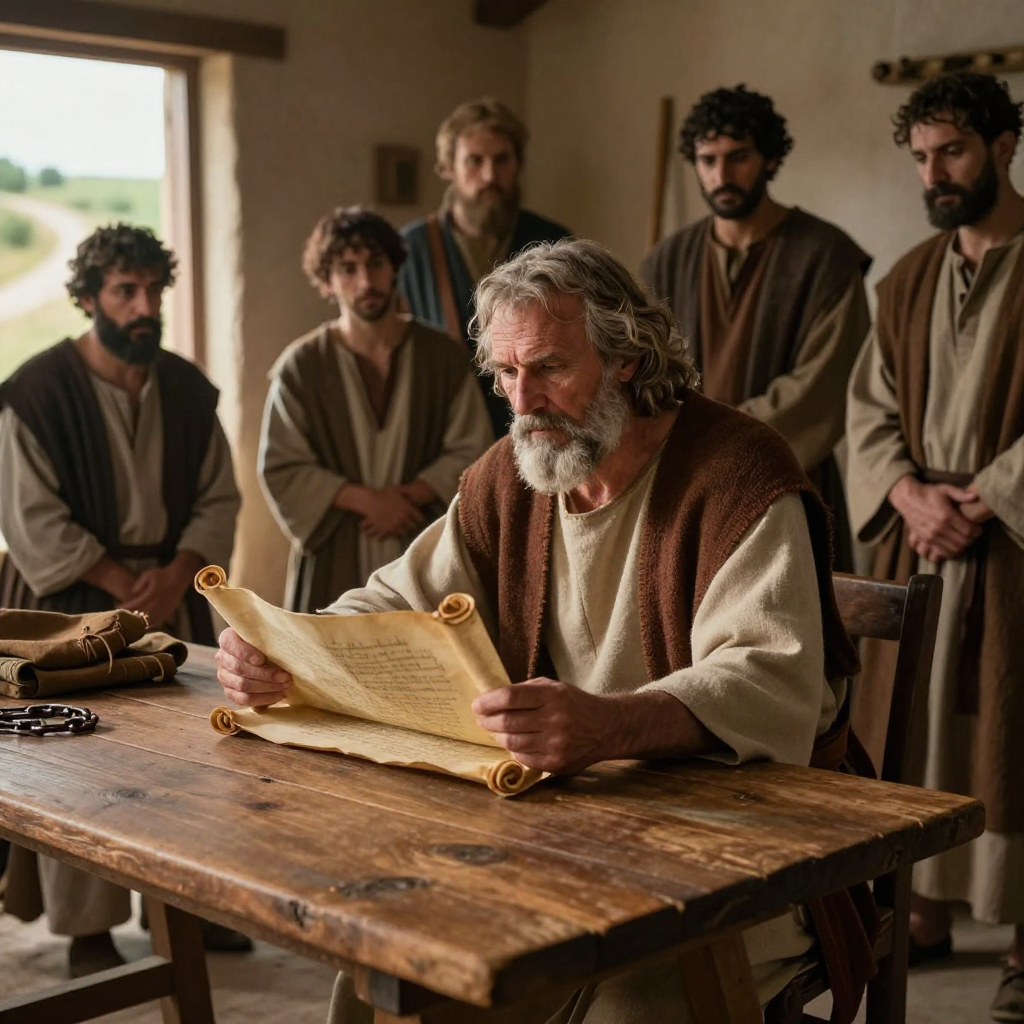
Paul gives us another important piece of evidence concerning the resurrection. In his first letter to the Corinthians, he identifies the testimony concerning Yeshua’s death, burial, and resurrection, and then names several people and groups to whom the risen Messiah appeared.
He mentions Cephas, the Twelve, more than five hundred brothers and sisters at one time, James, all the apostles, and finally himself.
Think about the significance of that testimony. Paul is not merely repeating that the disciples believed Yeshua had risen. He is identifying witnesses who had seen Him alive. He even refers to an appearance before more than five hundred people at one time.
Paul’s purpose here is to establish the reality of the resurrection. He is reminding the Corinthians of the testimony upon which their faith rests. The resurrection was not a rumor that developed long after the crucifixion. It was central to the message being proclaimed.
There is another important detail. Paul says that most of those more than five hundred witnesses were still alive when he wrote, although some had fallen asleep. In other words, he was pointing to people who could be questioned about what they had witnessed.
Now, we need to distinguish Paul’s encounter with Yeshua from the forty-day period. Paul describes himself as one born at the wrong time, or ἔκτρωμα (ektrōma), in verse 8, because his encounter occurred after the earlier appearances. Acts 9:1-9 records his amazing encounter with the risen Messiah on the road to Damascus.
Paul was a witness to the risen Yeshua, but he was not one of the disciples who received instruction during the forty days before the ascension.
His testimony nevertheless strengthens our understanding of the importance of the resurrection. The disciples were commissioned to testify about what they had seen, and that testimony became central to the proclamation of the Gospel throughout the early assemblies.
12. What Can We Actually Establish About the Forty Days?
Now that we have examined the biblical accounts and considered the ancient writings outside the Bible, let’s bring the evidence together.
Luke tells us plainly that Yeshua appeared to His disciples over forty days and spoke about the Kingdom of God. During this period, He presented convincing evidence that He had risen, showed His disciples that His resurrection was physical, and explained how His suffering and resurrection fulfilled the Scriptures. He opened their understanding so they could comprehend what had been written.
He explained that repentance and forgiveness of sins were to be proclaimed in His name among all nations. He commissioned His disciples to make more disciples and teach them to observe His commands. He instructed them to wait for the promise of the Father and explained that the Holy Spirit would empower them to become His witnesses. He also restored Peter and entrusted him with the responsibility of caring for His followers.
Finally, Yeshua ascended before their eyes, and they were assured that He would return.
Look at what was accomplished during this period! The disciples had witnessed the death of their Messiah, but now they understood that His suffering had fulfilled God’s purposes. They had struggled to understand the Scriptures, but Yeshua opened their minds. They had been given a commission, but they were also promised the power necessary to carry it out.
These were not minor conversations or incidental instructions. They concerned the very foundation of the message the apostles would proclaim.
There are details we aren’t given. We don’t have a day-by-day itinerary of the forty days, and we cannot assign every appearance to a precise date. The Gospel writers preserve different events and emphasize different details. But that doesn’t prevent us from understanding the central subjects Yeshua taught. We have enough information to recognize the importance of this period and the preparation that took place.
As for the later writings, they show that additional teachings and revelations were attributed to Yeshua by certain Christian communities. They are valuable for understanding the development of early Christian thought and the different traditions that circulated. But their claims must be examined according to their historical evidence, not simply accepted because they are presented as conversations with the risen Messiah.
We don’t have to fill in every silence in Scripture. What God has preserved is already significant enough to warrant our attention.
Final Thoughts: The Work Was Not Finished
There is something we need to recognize about these forty days. Yeshua had been crucified, and His disciples had watched Him die. Their expectations had been shaken, their understanding had been challenged, and the One they had followed was taken from them. Then He rose from the dead and came back to them. But He didn’t simply appear, announce that He was alive, and leave. He spent forty days teaching them!
He corrected their misunderstandings, opened their understanding of the Scriptures, demonstrated the reality of His resurrection, and explained what His suffering and resurrection meant in light of God’s promises. He taught them about the Kingdom of God, commissioned them to make disciples among the nations, restored Peter, and prepared them for the coming of the Holy Spirit.
Consider something else. Yeshua knew He was about to depart, and He made certain His disciples understood the responsibility they were receiving. They were not being sent out to establish their own authority or create a message that suited their own ideas. They were to proclaim the truth concerning Him and teach others to observe everything He had commanded.
And notice where He directed their attention. He took them back to the Scriptures! He didn’t tell them to abandon what God had already revealed and start something entirely new. He showed them how everything concerning His suffering, resurrection, and glory fitted into what had already been written. The disciples needed to understand that the resurrection was the fulfillment of God’s purposes, not the beginning of some disconnected religious message.
Then He told them to wait for the promise of the Father. Even after everything they had witnessed and everything He had taught them, they still needed the Holy Spirit. Their commission was not something they could accomplish through enthusiasm, knowledge, or determination alone. God would provide the power necessary for them to become His witnesses.
And that is precisely what happened. The Holy Spirit came, the disciples began proclaiming the risen Messiah, and the message went out from Jerusalem into the surrounding regions and eventually throughout the nations.
There is a reason Luke specifically tells us that Yeshua spent those forty days teaching about the Kingdom of God. We should not overlook that statement or treat it as a minor detail between the resurrection and the ascension. The Kingdom remained central to His message, and His disciples were being prepared to proclaim it.
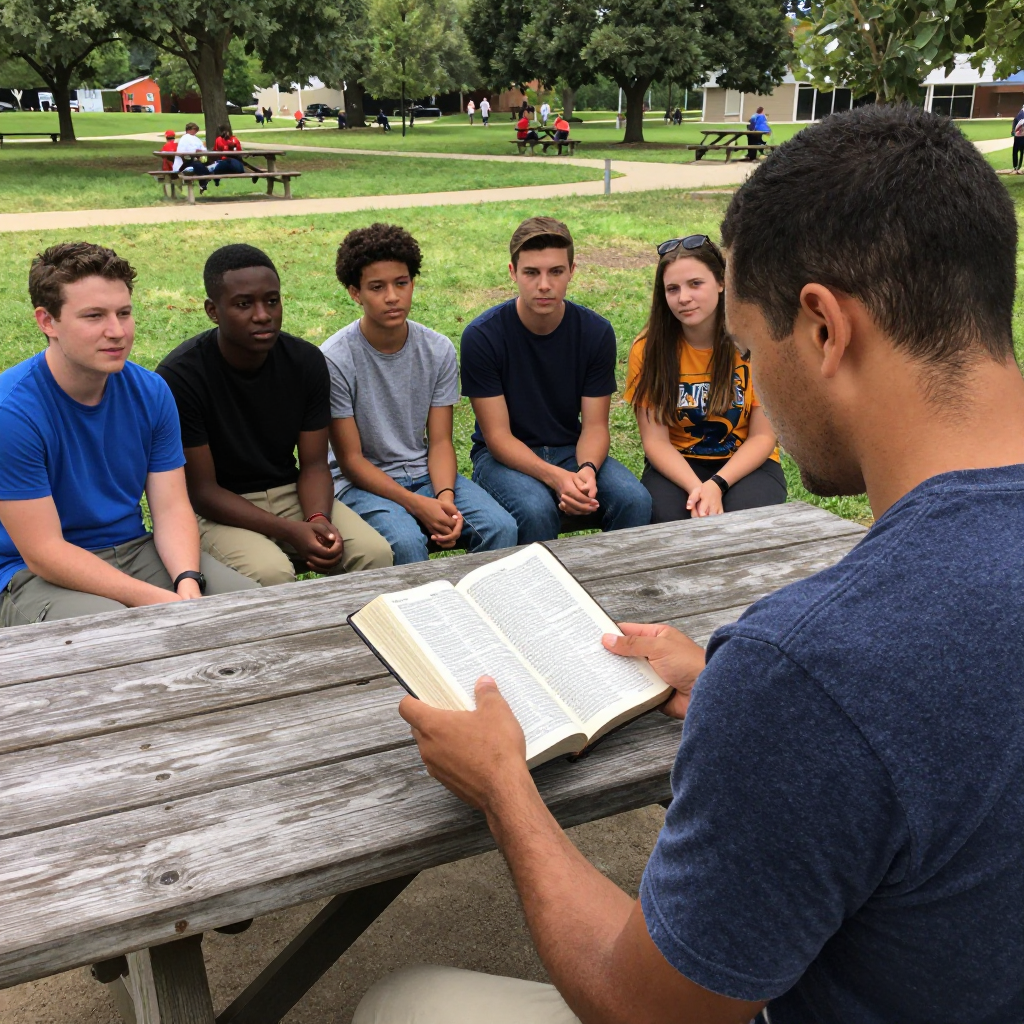
The risen Messiah did not leave His disciples with nothing but memories of His earthly ministry. He gave them understanding, instruction, responsibility, and the promise of God’s Spirit. He had conquered death, fulfilled what God had spoken, and prepared His followers to carry His testimony into the world, who also were to teach others also that would do the same thing… “paying it forward” as it were….
The forty days were not an afterthought. They were a time of instruction before the ascension, and what Yeshua taught during that time would shape the work of His apostles and the proclamation of His message for generations to come.
He had risen. The Scriptures had been opened. The Kingdom remained the message. And the disciples were about to discover what it meant to carry the testimony of the living Messiah into the world.
Historical Sources and Further Reading
The biblical foundation for this teaching is found in Acts 1:1-11; Luke 24; Matthew 28:16-20; John 20-21; and 1 Corinthians 15:3-8.
The ancient writings examined include the Epistle of the Apostles, Pistis Sophia, the Gospel of Mary, and the Apocryphon of James. Each should be examined in its historical and literary setting, with attention to its composition date, surviving manuscripts, and relationship to the biblical accounts.
For additional historical research, Francis Watson’s An Apostolic Gospel: The ‘Epistula Apostolorum’ in Literary Context examines the Epistle of the Apostles. The British Library’s materials concerning the Askew Codex provide information about the surviving manuscript of Pistis Sophia. Research on the Gospel of Mary and the Apocryphon of James provides further information about their manuscript traditions and historical settings. The Israel Antiquities Authority and the Library of Congress provide resources concerning the Dead Sea Scrolls and the Jewish world of the Second Temple period.
Throughout this investigation, I have kept the biblical testimony separate from later religious writings. We can examine ancient documents, investigate their claims, and learn about the communities that produced them without confusing their traditions with the actual teachings of Yeshua. Trust in the Holy Spirit to guide you.
God’s Word is our foundation. What it says, we can establish. What history reveals, we can examine. And what remains unwritten, we have no business pretending to know.
✝️✝️✝️✝️✝️
Prayer
Holy Father, I praise You for Your goodness, Your wisdom, Your mercy, and Your everlasting faithfulness. You alone are worthy of all honor, glory, and praise. Thank You for Your Word and for sending Yeshua, our risen Messiah, to show us Your truth.
Father, open my understanding and guide me by Your Holy Spirit. Help me to live as a true disciple of Yeshua, obeying His teachings, following His example, and willingly and freely sharing what I learn with others. Let me never keep Your truth to myself, but give me the courage, love, and wisdom to teach others what You have revealed. May my life and my words bear faithful witness to Your Kingdom and bring glory to You.
In Yeshua’s name, Amen.
✝️✝️✝️✝️✝️
Don’t take my word for it. Like the Bereans in Acts 17:11, search the Scriptures daily to see whether these things are so. Open your Bible, study God’s Word for yourself, and ask the Holy Spirit to guide you into all truth. Don’t simply accept my conclusions. If what I’ve written agrees with Scripture, hold fast to it. If it doesn’t, let God’s Word be your final authority.
If you liked this message, please leave a positive comment. (All comments are monitored for spam and bots). I would love to hear from you! You don’t even have to register or sign in! Just click Comment at the bottom of any message. (comments are monitored only against spam)
© AMKCH 2026
Images done by duck at my direction. If any of these people looks like you or someone you know, that is purely coincidental. They are not.
✝️✝️✝️✝️✝️
.