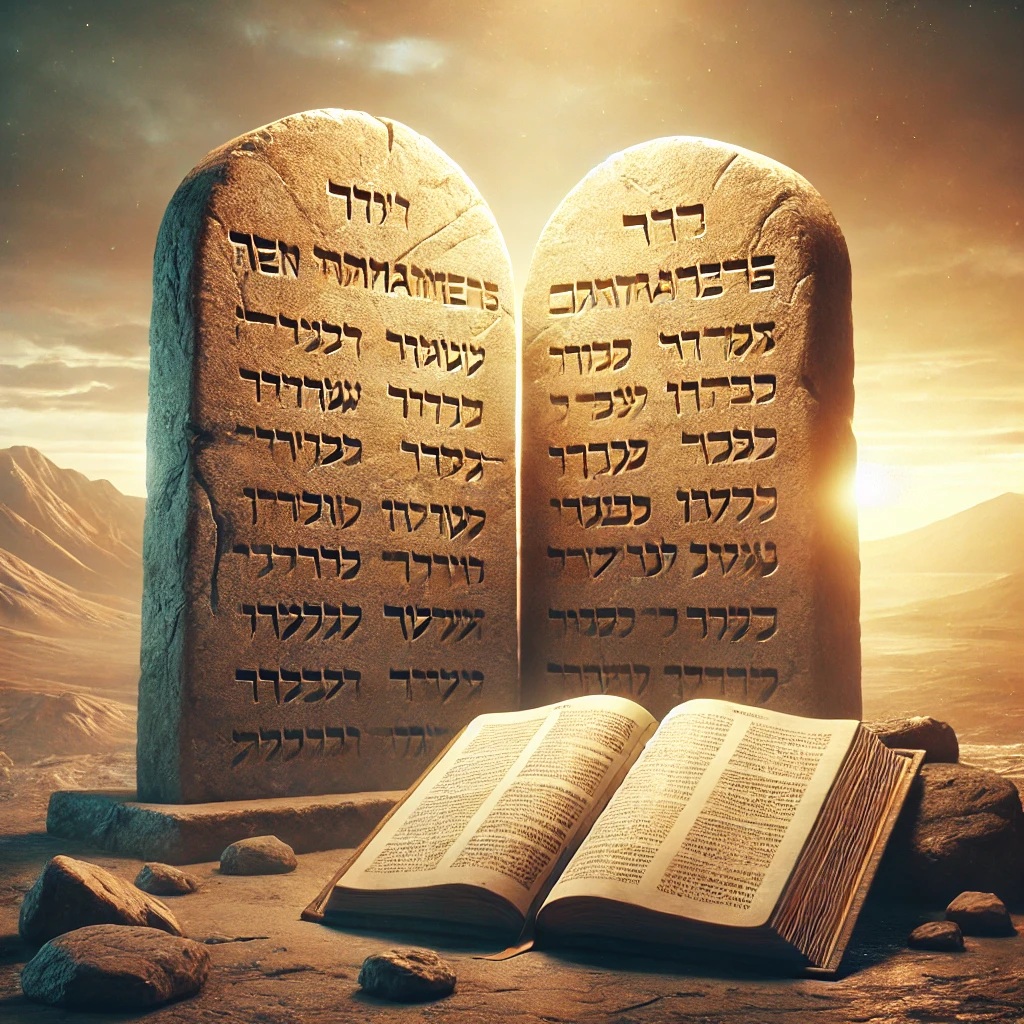
Reclaiming TRUE Worship
This is a long teaching (22 pages), and I encourage you to stick with it. It is packed, overflowing with God’s Truth, and covers every question: who, what, where, when, why, and how. It is one of the deepest research projects I have ever done, and every line points to YHWH’s holiness, His covenant, and His desire for His people to worship Him fully. You might need to put it down at times. When that happens, please, mark your place, come back, and continue with an open heart. Let the Spirit guide you through it, and take in every word.
✝️ ✝️ ✝️ ✝️ ✝️
God doesn’t need props. He doesn’t want competition. From the very beginning, He made it clear: I am YHWH your God… you shall have no other “gods” before Me. (Exodus 20:2–3). The Hebrew behind that is “lo yihyeh lekha elohim acherim al panay.” That literally says, There shall not be to you other “gods” against My face. “Al panay” means in My presence,or before My face. He’s not talking about a casual glance at idols, He means even in proximity to Him, even mentally entertaining other things that take His place is already an offense. Because it’s about presence. His presence is jealous for us.
This isn’t insecurity. God isn’t insecure. It’s justice. It’s purity. Because He is the source of all good, all truth, all life, why would He share that throne with something made by human hands? Something dead? The Hebrew word for idol is “pesel.” It means a carved thing, an image. It’s always used with contempt in the Scriptures. And He tells us in Leviticus 26:1, “Do not make idols or set up an image or a sacred stone for yourselves, and do not place a carved stone in your land to bow down before it. I am YHWH your God.”
Now let’s talk about the soul of worship. In Hebrew, the word for worship is “shachah”, to bow down, to prostrate oneself. It’s not music. It’s not lifting hands just for show. It’s about the posture of your being, bowed low before the One who is high. It’s the act of saying, You are above all, and I will have no other allegiance, no other affection that competes with You. This is the kind of worship that Abraham showed on Mount Moriah. Genesis 22:5, he tells his servants, Stay here while the boy and I go over there; we will worship (shachah) and we will return. What was the worship? Obedience, sacrifice, trust. Not music. Not routine. Heart-surrender.
The prophets cried out repeatedly that Israel had defiled worship by mixing the holy with the profane. Jeremiah 10:3–5 says, “For the customs of the peoples are worthless; they cut a tree out of the forest, a craftsman shapes it with his chisel. They adorn it with silver and gold; they fasten it with hammer and nails so it will not totter. Like a scarecrow in a cucumber field, their idols cannot speak. They must be carried because they cannot walk.” The Hebrew word for “worthless” is lo yo’il (לֹא יֹועִל, profits nothing, useless), and the word for “idols” is elohim (אֱלֹהִים, gods, mighty ones). God laughs at the foolishness of it. These people made “gods” that need help standing up. It is not just offensive; it is ridiculous.
In Isaiah 42:8, He says, I am YHWH, that is My Name! I will not give My glory to another or My praise to idols. The Hebrew for glory is kavod (כָּבוֹד, weight, honor, splendor. He’s saying, I don’t put the weight of My being on anything else. You try to attach My Name to something man-made, and you lose Me entirely.
Even in the New Testament, the apostles were still fighting this fight. Paul in 1 Corinthians 10:14 says, Therefore, my dear friends, flee from idolatry. Don’t reason with it. Don’t tolerate it. Run. The Greek there is pheugete (φεύγετε, flee), get out of there like your life depends on it. Because it does. Paul knew this wasn’t a cultural thing, it was spiritual adultery. He ties it to demons in verse 20: The sacrifices of pagans are offered to demons, not to God, and I do not want you to be participants with demons.
And Yeshua? He shut it all down in one sentence in Matthew 4:10, quoting Torah: Worship the Lord your God and serve Him only. In Greek, proskuneó (προσκυνέω, to bow down, to worship) is used there, same concept as the Hebrew shachah (שָׁחָה, to bow down, to prostrate). Deep reverence, total surrender. The enemy had offered Him kingdoms. He answered with Scripture. Because real worship doesn’t barter with the world’s gold, it bleeds obedience.
It is not about days either. Not even the Sabbath or the feast days were ever meant to become objects of worship. They are signs. They are shadows—Greek: skia (σκιά, a shadow, a representation pointing to something greater). They are beautiful, appointed times; Greek: kairoi (καιροί, divinely appointed times, seasons of opportunity), but they are not the source of holiness. God is the source of holiness. Romans 14:5 makes it clear: “One person considers one day more sacred than another; another considers every day alike. Each of them should be fully convinced in their own mind.” Paul was not giving license to lawlessness; he was warning against legalism. Days can be honored, but they are not to be exalted above God Himself.
Worship is not a system. It’s a relationship. Not a set of rules, but a love that obeys. John 4:23–24 has Yeshua speaking with the Samaritan woman. The hour is coming, and now is, when the true worshipers will worship the Father in spirit and in truth… for the Father is seeking such to worship Him.The Greek word for spirit is pneuma (πνεῦμα, breath, spirit), not just a poetic vibe. It’s breath. It’s life. Worship has to be living, breathing, and true. Aletheia (ἀλήθεια, truth). Not tradition dressed up as faith. Not empty ceremony. Truth.
God never changed His mind. From Mount Sinai to the Upper Room, He has always required the same thing: undivided loyalty. Not statues, not icons, not “saints,” not money, not churches, not even the Bible itself if it becomes an idol of information rather than a doorway to Him.
He is holy. He is alone. And He is worthy of all. Worship is not about feelings, it’s about who He is and our response to that. And anything else, anything that shares that affection, isn’t just a distraction. It’s treason. And the Spirit of God does not dwell in temples made with hands, Acts 7:48, but in hearts made new, broken and poured out before Him.
If we preach that with fire, with breath, with love, there will be no room left for the plastic or wooden, or metal “gods” people have built in His place.
Let’s walk into the holy fire where there is no room for compromise, just the weight of His Word, straight from His own mouth. This is not a suggestion from God. This is His command. Not one He whispers either, He carves it in stone. That’s the opening of the Ten Words, what people call the Ten Commandments, but in Hebrew, it’s Aseret haDibrot (עֲשֶׂרֶת הַדִּבְרוֹת, the Ten Sayings), the Ten Declarations of the King.
Lo yihyeh lekha elohim acherim al panay (לֹא יִהְיֶה לְךָ אֱלֹהִים אֲחֵרִים עַל פָּנַי, There shall not be to you other “gods” before My face).
This is the very first declaration of divine law in Exodus 20:3. God’s not asking. He’s not warning. He is legislating. Elohim acherim (אֱלֹהִים אֲחֵרִים, other “gods”, foreign powers, counterfeit authorities) means other “gods”, foreign powers, counterfeit authorities. Al panay (עַל פָּנַי, before My face, in My presence) is personal; it means right in front of Me, in My presence. He’s not just forbidding a golden calf or a wooden idol; He’s saying, “Don’t you dare bring competition into the same room as Me.” This is the God who created the stars with His breath. He is not sharing glory.
But He doesn’t stop there.Exodus 20:4:
Lo ta’aseh lekha pesel vekhol-temunah…
“Do not make for yourself a carved image or any likeness…”
The word pesel (פֶּסֶל, idol, graven or carved thing) literally means something shaped by a tool. The root of pesel comes from the verb pasal (פָּסַל, to hew, to chisel), often used for shaping stones or statues. God is saying, “Don’t you reduce Me to something dead, to something shaped by human imagination or hands.” That’s not just a rule, it’s a protection. Because once we try to shape God into an image, we stop being shaped by His image.
In Deuteronomy 4:15–16, Moses gets even more blunt: “You saw no form of any kind the day YHWH(יְהוָה, the LORD) spoke to you at Horeb out of the fire. Therefore shameru lachem me’od(שִׁמְרוּ לָכֶם מְאֹד, watch yourselves very carefully), so that you do not become corrupt and make for yourselves an eidolon(אֵל, idol, image).“
The Hebrew word here for corrupt is shachat (שָׁחַת, to decay, to destroy, to rot). Idol-making doesn’t just offend God, it rots you. It dismantles who you were made to be because you are shifting your awe from the Creator to creation.
Now fast forward into the Tanakh. Isaiah 44 is nearly comedic in its sarcasm, but it’s cutting truth. Verses 14–17 describe a man who plants a tree, chops it down, uses part to bake bread and keep warm, and with the other part makes a god, bows down to it, and says, “Deliver me, for you are my god!” The Hebrew for deliver is hoshieni (הוֹשִׁיעֵנִי, save me, deliver me), the same root from which we get “Hosanna.” How ridiculous is that?!
Think about that: crying “save me” to something you carved from firewood! Like it could. God through Isaiah is exposing the insanity of it all.
Jeremiah 2:11 asks, Has a nation ever changed its “gods”? (Yet they are not “gods” at all.) But My people have exchanged their glorious God for worthless idols.
Heimah lo elohim (הֵמָּה לֹא אֱלֹהִים, they are not “gods“). The phrase is stark and uncompromising: these so-called “”gods”” possess no power, no life, no reality. The Hebrew for “worthless” here,lo yo’ilu (לֹא יוֹעִילוּ, they profit nothing; they are of no use), emphasizes utter futility; idols offer no guidance, no protection, no blessing. The tragedy lies in the contrast: pagans cling faithfully to their inventions, invest loyalty and fear into what cannot respond, while God’s own people, who have the living Creator before them, forget Him, pursue vain substitutes, and betray the covenant relationship meant to sustain their lives. Isaiah exposes not only the insanity of idol worship but the heartbreak of divine rejection when the chosen people exchange glory for emptiness.
Now come into the New Testament. The line doesn’t break, it intensifies. In Acts 17:29, Paul stands in the intellectual heart of Greece, the Areopagus, “Since we are God’s offspring, we should not think that the Divine Being is like gold or silver or stone, an image made by human design and skill”. The Greek word for image, charagma (χάραγμα, a mark; an engraving; something imprinted), carries a weight far beyond mere representation. It is the same root used for the mark of the beast in Revelation 13:16-17. Why? Because anything that man stamps, engraves, or imprints to replace God becomes a mark of rebellion. Human effort cannot replicate divine authority, and the moment we elevate our own creations above the Creator, we bear the spiritual evidence of turning from Him.
And what does Paul say to do with idols? 1 Corinthians 10:14: Flee from idolatry. The Greek, pheugete apo tes eidololatrias (φεύγετε ἀπὸ τῆς εἰδωλολατρίας, run from idolatry), is vivid and urgent. Not debate. Not negotiate. Not rationalize. Run. Idolatry is not merely a misstep; it is spiritual adultery. James makes this brutally plain: James 4:4: You adulterous people, do you not know that friendship with the world is enmity with God? The word moichalides (μοιχαλῖδες, adulteresses) is used, and this is not metaphorical. It is a spiritual diagnosis, a reality of the heart turned from God.
Even good things can become idols, holidays, Sabbaths, traditions. Paul warns in Colossians 2:16-17: Therefore do not let anyone judge you by what you eat or drink, or with regard to a religious festival, a New Moon celebration or a Sabbath day. These are a shadow of the things to come; the reality, however, is found in Christ. The Greek, soma de tou Christou (σῶμα δὲ τοῦ Χριστοῦ, the body; the substance; the core is Messiah), reminds us that the shadow is not evil, but it is not the substance. To worship the shadow is to miss the One who casts it. The Greek for shadow, skia (σκιᾶ, shadow), emphasizes this distinction.
Even in Revelation, the warning continues. Revelation 9:20: The rest of mankind, who were not killed by these plagues, did not repent of the work of their hands; they did not stop worshiping demons and idols of gold, silver, bronze, stone, and wood, which cannot see or hear or walk. This is not mere history; it is prophecy. It warns the Church as urgently as it warns the world, showing the persistent danger of replacing God with human creations.
Worship God. Worship God alone. Not the cross, not the page, not a pastor, not a prophet, not a saint, not a song, not a season. Just Him. He is echad (אֶחָד, One, unified, indivisible), undivided. In Hebrew, Deuteronomy 6:4 is the cry: “Shema (שְׁמַע, Hear) Yisrael (יִשְׂרָאֵל, Israel), YHWH Eloheinu (יְהוָה אֱלֹהֵינוּ, The LORD our God), YHWH Echad (יְהוָה אֶחָד, The LORD is One).” Hear, O Israel: The LORD our God, the LORD is One. The word echad signifies unity, completeness, wholeness. It is not merely singularity; it is indivisible harmony, a totality that cannot be separated into parts. God is whole in Himself, without division, without shadow, without defect.
Worship must reflect this wholeness. To approach Him in fragments, offering pieces of our devotion, is to misunderstand His nature. Worship must be complete, undivided, not scattered among substitutes that promise fulfillment but deliver emptiness.
Everything else is a shadow, a substitute, or a seduction. Shadows point to reality but are not reality themselves. Substitutes are what humans construct, attempting to fill the infinite with the finite. Seductions are the temptations of our desires, dressed up as devotion. And in the end, we will either bow our lives to the One true God, recognizing Him as the source of all life, all wisdom, and all beauty, or we will bow to something we made and called holy. But only One is truly holy. Only One is worthy. The holiness of God is absolute; it cannot be shared or divided. He will not share His glory with anything shaped by our hands. Nor should He. Our creations, even when offered with good intentions, are reflections of our own hearts, not of His. True worship acknowledges this difference, submitting fully to Him, not to the echo of His glory in things we control.
He began this conversation with us in fire. Exodus 3:2 says, “The angel of YHWH (mal’akh YHWH, מַלְאָךְ יְהוָה, messenger of the LORD) appeared to him in a flame of fire (esh, אֵשׁ, fire, flame) from within a bush (seneh, סְנֶה, thornbush, shrub). Fire that did not consume (lo yachal, לֹא יָכַל, was not able to destroy).” That is who He is. The flame represents His holiness (qodesh, קֹדֶשׁ, set apart, holy), His power (koach, כֹּחַ, strength, might), and His presence (panim, פָּנִים, presence, face)—alive, purifying, yet not destructive to those He calls.
The Name He revealed, Ehyeh asher Ehyeh (אֶהְיֶה אֲשֶׁר אֶהְיֶה, I AM that I AM; more literally, I will be what I will be), conveys the mystery and sovereignty of God. You cannot pin Him down. You cannot mold Him. He defines Himself, eternally self-existent and unbound by human limitations.
When Moses asked for His Name, it was not for identification, as if God needed a label, but so Moses could fear Him properly, approach Him rightly, and lead His people in covenant truth. The Hebrew carries a deep, almost trembling awe in that phrase, a recognition that God is utterly self-sufficient and infinitely beyond human comprehension.
So when He thundered from Sinai, it was not a polite lecture. It was covenant fire falling on the earth, the presence of God made tangible and terrifying to those unprepared. Exodus 20:18–19 says, “All the people perceived the thunderings (qol, קוֹל, voice, sound, thunder) and the lightning flashes (baraq, בָּרָק, lightning, flash) and the sound of the trumpet (shofar, שׁוֹפָר, ram’s horn, trumpet) and the mountain smoking (saphah, סָפָה, smoke, vapor); and when the people saw it, they trembled (ra’ah, רָעַד, to quake, to tremble) and stood at a distance. They said to Moses, ‘Speak to us yourself and we will listen; but let not God speak to us, lest we die.’” That is how holy (qadosh, קָדוֹשׁ, set apart, utterly holy) He is. To stand in His presence (panim, פָּנִים, face, presence) without a clean heart (lev tahor, לֵב טָהוֹר, pure heart), without obedience (shama, שָׁמַע, to hear, to obey), is lethal.
Yet we have largely lost that fear. We have traded awe (yirah, יִרְאָה, reverent fear) for convenience, intimacy for familiarity, and trembling reverence for casual comfort. The God who revealed Himself in unconsumed fire (lo yachal, לֹא יָכַל, did not consume) demands a worship that is whole, reverent, and centered on His glory (kavod, כָּבוֹד, weight, glory, honor) alone.
God never permitted the worship of anything seen. Deuteronomy 4:12 says, “You heard the sound of words, but saw no form; there was only a voice.” That was intentional. God does not want worship mediated by the eyes. The Hebrew temunah (תְּמוּנָה, form, likeness, shape) is consistently rejected by God. He speaks to us as a voice (qol, קוֹל, sound, voice) because He desires worship that is faith-born, not sight-fed. Worship that depends on visible representation risks substituting the created for the Creator. Hebrews 11:1 confirms it: “Now faith (pistis, πίστις, faith, trust, assurance) is the substance of things hoped for, the evidence of things not seen (horatou, ὁρᾶται, visible, seen).” From the very beginning, this has always been His way: faith and trust, not reliance on tangible images, are the heart of true worship.
Isaiah 6:1–3 presents the most reverent throne room image in Scripture. “I saw (ra’ah, רָאָה, to see, perceive) the Lord, high and exalted, seated on a throne (kisse, כִּסֵּא, chair, throne); and the train of His robe (simlah, סִמְלָה, garment, robe) filled the temple.” Surrounding Him are seraphim (saraph, שָׂרָף, burning ones, fiery beings). The word emphasizes their intensity; they are aflame simply from being in His proximity. They cry: “Kadosh, kadosh, kadosh (קָדוֹשׁ, קָדוֹשׁ, קָדוֹשׁ, Holy, Holy, Holy) and YHWH Tzevaot (יְהוָה צְבָאוֹת, the LORD of Armies).” This triple repetition magnifies the utter holiness of God, His absolute set-apartness, and His sovereign authority. Not “love, love, love,” not “grace, grace, grace.” Holiness (qodesh, קָדוֹשׁ, set apart, holy) is the center of worship. Reverence, awe (yirah, יִרְאָה, fear, reverent awe), and recognition of His majesty define the encounter with God, not human sentimentality or imagination. The train of His robe, filling the temple, shows that God’s presence occupies the sacred space completely; nothing can contain Him, and all who approach must confront His purity.
Yet Israel rejected His invisible majesty for something visible and safe. Exodus 32, the golden calf. Aaron declares: “These are your ‘gods’ (elohim, אֱלֹהִים, mighty ones, gods), Israel, who brought you up out of Egypt.” That word again, elohim, is used, but the calf was a pesel (פֶּסֶל, carved image, idol), a tangible object meant to replace God. When Moses came down and saw it, he smashed the tablets of the covenant (berit, בְּרִית, covenant, agreement). Why? They had broken the marriage contract before the ink was dry. God calls it harlotry. Exodus 34:15 says: “Do not make a covenant (berit, בְּרִית, covenant, agreement) with the inhabitants of the land, lest they prostitute themselves to their ‘gods’ (zanah, זָנָה, to be a harlot; to sell intimacy for something worthless).” The Hebrew zanah captures the spiritual reality: exchanging faithful devotion to God for an object of man’s making is betrayal, adultery against the covenant. Idolatry is not just error; it is the violation of intimacy with the living God.
Ezekiel 8 describes it again: elders of Israel with images on the walls, women weeping for Tammuz, men bowing to the sun. And God calls it abominations in His house. He says in verse 6, “Do you see what they are doing, the utterly detestable things?” The word there is to’evah (תּוֹעֵבָה, something so foul it causes revulsion). God is not indifferent; He is sickened by false worship. That should still terrify us today.
Now to the words of Yeshua. He does not reduce the Law; He exposes its true weight. Matthew 22:37 says, “You shall love the Lord your God with all your heart, soul, and mind.” That is straight from Deuteronomy 6:5. The word love in Hebrew here is ahav (אָהַב, covenant loyalty; faithful love). It is not soft sentiment. It is the same word used when Abraham ahav Isaac, the son he was willing to sacrifice. Love in God’s covenant is proven by surrender, by loyalty that refuses idols, distractions, or rival thrones in the heart.
When Satan tries to get Yeshua to bow just once, in Luke 4:8, Yeshua responds, “It is written, ‘Worship the Lord your God and serve Him only.’” He is quoting Deuteronomy 6:13. The Greek for worship here is proskuneó (προσκυνέω, to fall face down; to kiss the hand; to throw oneself at the feet of a ruler). It is not a genre of music. It is a form of total submission. Worship without submission is flattery. God does not accept flattery.
In Revelation 14:7, the final cry to the nations comes from heaven: “Fear God and give Him glory, because the hour of His judgment has come. Worship Him who made the heavens, the earth, the sea and the springs of water.” The Greek doxazó (δοξάζω, give glory; honor; recognize weight) is tied to the Hebrew kavod (כָּבוֹד, weight; heaviness; honor). To give God glory is to assign Him the rightful weight in our lives, the fullness of honor and authority. That weight should crush every idol we have tried to hold onto and remove every rival from the throne of our hearts.
And do not think the modern church is exempt. When people idolize a worship team, a pastor, a YouTube preacher, a denomination, or a building, it is all pesel (פֶּסֶל, carved image; idol) in new packaging. And the LORD says in Isaiah 42:8: “I will not give My glory to another, nor My praise to graven images.” The Hebrew reads Kavodi lo eten l’acher (כְּבוֹדִי לֹא אֶתֵּן לְאַחֵר, My glory, I do not give to another). He will not share what is rightly His with anything of human making.
He wants to be worshiped in ruach and emet (Ruach, רוּחַ, breath; wind; life; Emet, אֱמֶת, stability; faithfulness; reality). John 4:24 says: “God is Spirit, and those who worship Him must worship in spirit and truth.” This is the kind of worship that pleases Him: souls fully breathing in surrender, fully yielded in undivided loyalty, grounded in who He really is, not who we have imagined Him to be.
So here is the charge: tear down the altars. Not just physical ones, but mental ones, emotional ones, and religious ones. Smash every symbol, every song, every tradition that draws attention away from the throne of God. We cannot call Him holy (qadosh, קָדוֹשׁ, set apart; holy) and still dance around calves of convenience. We cannot sing “worthy” and still live divided (paraklēsis, παράκλησις, estranged; separated from covenant devotion).
One God. One throne. One heart. No substitutes. No additions. No exceptions. He alone is worthy.
Let us start in Athens. Acts 17:16 says: “Paul was greatly distressed to see that the city was full of idols.” The Greek word here is kateidolos (κατειδωλος, swamped with idols; literally, drowning in them). This emphasizes that the spiritual environment of Athens was saturated with idolatry. It was not merely a few shrines or statues; the culture, art, religion, and daily practices were all under the influence of false elohim (אֱלֹהִים, gods; divine beings). Athens prided itself on intellect, art, and freedom, yet in the eyes of a man who knew the living God, the city was spiritually diseased. Paul’s heart broke because people were living surrounded by representations of divine power that were utterly meaningless, incapable of sustaining life, guiding morality, or revealing truth.
Paul does not begin with insult; he begins with truth. In Acts 17:23, “As I walked around and looked carefully at your objects of worship, I even found an altar with this inscription: TO AN UNKNOWN GOD. So you are ignorant of the very thing you worship, and this is what I am going to proclaim to you.” The Greek word for “objects of worship” is basilieia (βασιλεία, monuments; altars used for devotion) in this context. Paul sees their desperation, the openness of hearts even if misguided. They made room for a god they did not even know, leaving a spiritual void. Paul uses that opening to proclaim YHWH, the One who made the world, the One who does not dwell in temples made by human hands, the living God who demands worship in ruach and emet (Ruach, רוּחַ, breath; wind; life; Emet, אֱמֶת, stability; faithfulness; reality), in spirit and truth. This demonstrates that true worship is not about proximity, form, or visible structures, it is about the recognition of God’s transcendent reality.
But watch what he says in Acts 17:29: “We should not think that the Divine Being is like gold or silver or stone, an image made by human design and skill.” The word for “design” is techné (τέχνη, human craft; artistry; invention; deliberate human construction), emphasizing the human effort invested in creating idols. “Skill” is enthumēsis (ἐνθύμησις, thought; imagination; intention), literally what the mind conceives. Paul is not merely rebuking physical idols. He is rebuking the idol of imagination, the false god that humans construct mentally, emotionally, and spiritually. Any god created in human thought, even if shaped with good intentions or moral ideals, is false if it does not reflect His revealed nature. That includes elohim (אֱלֹהִים, gods; divine beings) who “understand your heart” or “let you live as you please.” These are inventions, not God.
He continues: “In the past God overlooked such ignorance, but now He commands all people everywhere to repent.” The Greek metanoeó (μετανοέω, repent; to change the mind; to turn course; to alter direction) shows the weight of God’s demand. Ignorance is no longer a cover; intentional alignment with the living God requires turning from false worship completely. There is no room for excuses: “That is just how I worship,” or “I did not know better.” God draws a hard, uncompromising line. Worship must align with reality, with truth, with the One who is not a projection of human imagination.
Paul’s approach in Athens models the confrontation of idolatry in both culture and personal devotion. The idols are not only carved statues or temples; they include ideas, philosophies, and self-constructed “gods” that occupy the heart. True worship, as Paul demonstrates, is recognition of God’s living, creative power, the One who made the world, who sustains life, who is present beyond human construction. To worship anything less is to be spiritually deceived, to bow to shadows, and to participate in the very idolatry that God loathes.
Now zoom into the church itself. In 1 Corinthians 10, Paul lays down the full connection between Israel and us. He recounts their journey: they passed through the sea, were baptized into Mōyshē (מֹשֶׁה, Moses), ate spiritual food, drank from the spiritual Rock (Petra, Πέτρα, Rock, which was Christ), and yet God was not pleased. Why? Because of idolatry, sexual immorality, testing the Lord, and grumbling. Verse 7 is the dagger: “Do not be idolaters as some of them were; as it is written: ‘The people sat down to eat and drink and got up to indulge in revelry.’” That line comes straight from Exodus 32, the golden calf. The Hebrew pesel (פֶּסֶל, carved image; idol) describes what Israel had made to replace God.
But Paul is not just recalling history; he is warning the present. Verse 11: “These things happened to them as examples and were written down as warnings for us.” The Greek tupos (τύπος, type; pattern; example) indicates that the events of Israel are a template. Paul is saying that if we worship like them, we will fall like them. It does not matter if you go to church, sing songs, tithe, or wear a cross. If there is a golden calf in your life, He sees it.
And in Galatians 4:8–9, Paul hits even harder: “Formerly, when you did not know God, you were slaves to those who by nature are not ‘gods’. But now that you know God, or rather are known by God, how is it that you are turning back to those weak and miserable forces?” The Greek phrase asthenē kai ptōcha stoicheia (ἀσθενῆ καὶ πτωχὰ στοιχεῖα, literally, powerless and beggarly elemental spirits) describes the world’s systems dressed up as spirituality, the hollow forces people worship when they have rejected the living God. These stoicheia were often understood as the basic spiritual principles of the world, the “elements” or “forces” that try to govern life apart from God.
Paul continues: “Do you wish to be enslaved by them all over again? You are observing special days and months and seasons and years!” The Greek for “enslaved” is douleuō (δουλεύω, to be a slave to; to serve), echoing the seriousness of turning back to false allegiances. Observing days (hemera, ἡμέρα), months (mēn, μήν), seasons (kairos, καιρός), and years (etos, ἔτος) becomes empty ritual without God at the center.
This is not about pagan holidays; Paul is rebuking people for turning the biblical calendar into a legalistic idol. Good things, like sabbaths, feasts, fasts, or even Sunday morning services, can become pesel (פֶּסֶל, carved image; idol) when they are exalted above the One they were meant to point to. God sees it clearly. The minute ritual becomes more important than relationship, the golden calf rises again. True worship is not in the observance of dates or forms; it is in the wholehearted devotion to the living God, who alone sustains, orders, and redeems.
Colossians 3:5 makes it even more personal: “Put to death whatever belongs to your earthly nature: sexual immorality, impurity, lust, evil desires and greed, which is idolatry.” The Greek word for greed here is pleonexia (πλεονεξία, a craving for more; an insatiable appetite; covetousness). This describes the god of self, the unending thirst to have, control, or be recognized. When you constantly need more attention, more comfort, more control, or more validation, that craving becomes worship. Your desires take the throne, and you bow to your own cravings, too yourself, rather than to YHWH.
Paul’s instruction is uncompromising: he does not say to moderate it, to counsel it, or to negotiate with it. He says put it to death. The Greek verb here, apokteinó (ἀποκτείνω, to kill; to destroy utterly), leaves no room for compromise. Idolatry is not just a wrong thought or occasional misstep; it is active allegiance to something other than God. Paul calls for radical, decisive action: the old self, dominated by pleonexia (πλεονεξία, a craving for more; an insatiable appetite; covetousness), must be destroyed so that the heart is fully devoted to YHWH alone. This allegiance is not partial or divided; the Greek emphasizes totality in action and intention, leaving no space for divided loyalties. Idolatry is not theoretical; it is lived, it is worship, it is what the heart obeys.
Now look at what happens when people won’t. Romans 1:21–25 is the descent into madness:
“Although they knew God, they neither glorified Him as God nor gave thanks to Him, but their thinking became futile and their foolish hearts were darkened.”
“They exchanged the glory of the immortal God for images made to look like mortal human beings and birds and animals and reptiles.”
And verse 25: “They exchanged the truth about God for a lie, and worshiped and served created things rather than the Creator, who is forever praised. Amen.”
The word metēllaxan (μετελλάξαν, “they exchanged” or “they traded”) indicates a deliberate action. The truth was not lost; rather, it was intentionally traded. On purpose. That’s our generation. We traded worship for entertainment. Truth for feelings. Holiness for acceptance. And we dare call it church.
But God still has a remnant. People like you who say, No more substitutes. Just Him. And may Iadd,
In 1 John 5:21, the final sentence John ever wrote in Scripture is one simple warning:
“Little children, keep yourselves from idols.” (phylassō heautous apo tōn eidōlōn, “actively guard yourselves from idols”) conveys the imperative to protect one’s heart and devotion from anything that falsely claims the place of YHWH.
And in Revelation, in the final confrontation of the end, we see that all roads lead to a choice between the Lamb and the beast.The beast is not described as appearing with horns or fangs. Rather, he manifests through charagma (χάραγμα, “a mark or engraving”), representing an image, a system of worship, false unity, and a religion that seeks the approval of the world rather than the praise of YHWH. A one-world version of compromise. And God’s true people will be those who refuse it, who worship only the One who sits on the throne.
This is the line in the sand: Will we worship the God who is, or a god we made to be more comfortable, more manageable, more like us? Because if He’s holy, then everything else has to bow. Every tradition. Every culture. Every feeling. Every idol.
The hour has come. The fire is falling. And He’s still saying: You shall have no other “gods” before Me. Not because He’s jealous like man is jealous. But because He knows, nothing else can save you.
Only He is worthy.
Only He is God.
The book of Revelation is really about showing Jesus the Messiah, not just the end of the world. The Greek word apokalypsis (ἀποκάλυψις, “a revealing or uncovering”) means showing something that has always been true but hidden. When the curtain is pulled back, what appears first isn’t the devil, the Beast, or fire falling. What we see is worship, real, eternal, unshakable worship. Not just music, but true honor and praise to God.
Revelation 4:8–11, the throne room scene. It is not fiction, it is not metaphor, it is reality louder than anything on this earth. Four living creatures, covered in eyes, full of fire and awareness, never stop saying, “Holy, holy, holy is the Lord God Almighty, who was, and is, and is to come.” This is the eternal anthem. It is not “loved, loved, loved” or “gracious, gracious, gracious.”
The first thing the elders do is fall on their faces. The Greek phrase piptō (πίπτω, to fall) epi (ἐπὶ, upon) prosōpon (πρόσωπον, face) means exactly that, falling face down, complete collapse before the One on the throne.
They cast their crowns. The verb there, ballousin (βάλλουσιν, they throw, they hurl), is not gentle. It is decisive surrender. Their crowns, stephanous (στεφάνους, crowns of victory and delegated authority), represent every privilege, honor, title, power, and reward they have. And they place everything at the feet of YHWH.
The phrase “at the feet,” para (παρά, beside, near, at) tous podas (τοὺς πόδας, the feet) paints the picture of proximity, intimacy, and submission. They are not tossing crowns across the room, they are laying them right at His feet in acknowledgment that everything they ever achieved came from Him and belongs to Him.
And when they speak, they declare, “You are worthy, our Lord and God, to receive glory and honor and power, for You created all things, and by Your will they were created and have their being.”
“Worthy,” axios (ἄξιος, worthy, weighty, having the value that matches the reality), is a courtroom word, a measurement word. They are saying He alone meets and exceeds the weight of glory.
“Created,” ektisas (ἔκτισας, You created, You brought into existence from nothing), ties straight back to Genesis 1, to the God who speaks reality into being.
And “have their being,” ēsan (ἦσαν, they existed) kai ektisthēsan (καὶ ἐκτίσθησαν, and were created) emphasizes that He is not just the Creator, He is the Sustainer. Existence itself is borrowed breath.
Nothing in heaven is casual. Nothing is symbolic worship. Everything is real, immediate, blazing with holiness. And this is the worship that will swallow the cheap imitations on earth.
And what do they say?
“You are worthy, our Lord and God, to receive glory and honor and power, for You created all things, and by Your will they were created and have their being.” This isn’t a Sunday routine. It’s the cosmic recognition of God’s rightful place. Worship is giving God back what already belongs to Him.
Then Revelation 5 shows the scroll, sealed with seven seals. No one in heaven or on earth is worthy to open it. Not Moses, not Abraham, not David, not Paul. Not Mary. Not angels. No one. And John weeps bitterly, because if no one opens the scroll, judgment can’t fall, justice can’t come, salvation can’t be fulfilled. But one of the elders says, “Do not weep. See, the Lion of the tribe of Judah, the Root of David, has triumphed.”
When John looks, he does not see a lion, but a Lamb. The Lamb is slain yet standing, alive even while showing the marks of His sacrifice. The Greek word esphagmenon (ἐσφαγμένον, slaughtered, slain, killed in sacrifice) emphasizes the reality of His death and the power of His life at the same time.
And all of heaven erupts:
“Worthy is the Lamb, who was slain, to receive power and wealth and wisdom and strength and honor and glory and praise.” Seven attributes, total perfection, complete worship. The kind that only the Lamb deserves. And if that is what heaven looks like, then anything we do that puts attention on anything other than the Lamb is idolatry.
Now jump forward. Revelation 13: The beast rises. And it’s not chaos, it’s system. It’s calculated. It has power, authority, influence. And verse 4 says this:
“The people worshiped the dragon because he had given authority to the beast, and they also worshiped the beast and asked, ‘Who is like the beast? Who can wage war against it?’”
That line is a direct counterfeit of what Israel once said about YHWH in Exodus 15:11, “Who is like You, O Lord, among the “gods”?” See the pattern? Satan doesn’t create worship. He steals it. He mimics God to seduce those who don’t know the real thing.
Verse 8 is terrifying:
“All inhabitants of the earth will worship the beast, all whose names have not been written in the Lamb’s book of life.”
Worship isn’t optional. Everyone worships something. It’s just a matter of who. And the ones who don’t bow to the system aren’t rebels, they’re the faithful. The Greek word for worship here is proskuneó (προσκυνέω), meaning “to kiss toward,” “to adore,” or “to kneel.” They submit to the beast, which means this isn’t political. It’s spiritual.
Verse 15: “The second beast was given power to give breath to the image of the first beast, so that the image could speak and cause all who refused to worship it to be killed.” An image, eikōn (εἰκών), not just a statue. This word is also used of humans and means a representation, something that reflects another. This “image” might be technological, global, digital, religious, whatever it is, it’s a demand for allegiance, and refusal equals death. That’s not future fiction. That’s the endgame of every false worship system: worship this or die.
Revelation 14:9–11, the third angel cries out: “If anyone worships the beast and its image and receives its mark on their forehead or hand, they too will drink the wine of God’s fury, which has been poured full strength into the cup of His wrath.”
The Greek word for “worships” here is proskuneó (προσκυνέω, to kneel, to kiss toward, to fall down in homage), emphasizing total submission and recognition of authority. The word for “image” is eikōn (εἰκών, likeness, representation; can refer to humans or objects that reflect another), underlining that allegiance to anything created, even symbolic or digital, is a form of idolatry.
This is non-negotiable. God will not share worship. Not with an eikōn. Not with a system. Not with your tradition, your favorite preacher, your personal doctrine, or your denomination. Worship belongs fully and exclusively to YHWH.
Then Revelation 14:12 gives the identity of the real ones: “This calls for patient endurance on the part of the people of God who keep His commands and remain faithful to Jesus.” The Greek word for “keep” is tēreó (τηρέω, to guard, to observe, to hold fast), emphasizing active, ongoing obedience to God’s commands. The word for “faithful” is pistos (πιστός, trustworthy, loyal, steadfast), showing unwavering allegiance to Yeshua. Two signs: they obey God’s commandments, and they are loyal to the Messiah. That is Torah and Messiah, hand in hand. That is worship in Spirit and emet (אֱמֶת, truth; faithfulness; reliability), fully aligned with God’s reality.
Then Revelation 18 shows Babylon falling. What is Babylon? It’s not just a city. It’s a system. Religious, commercial, political, all rolled into one seductive lie. She sits like a queen, saying, “I am not a widow, and I will never mourn.” But in one hour she falls. Because she made the nations drunk on idolatry. Revelation 18:4 says, “Come out of her, My people!” The Greek, Exelthate ex autēs ho laos mou (Ἐξελθέτε ἐκ αὐτῆς ὁ λαός μου), means “Get out, run, separate.” It emphasizes that those who belong to the Lamb cannot remain at ease within Babylon.
The final showdown? Revelation 19. Heaven opens. The rider on the white horse comes. Eyes like flame. Many crowns. Robe dipped in blood. Hi s name is The Word of God. Out of His mouth comes a sharp sword, rhema (ῥῆμα),the spoken Word. At that moment, what is the cry of heaven? “Hallelujah! For our Lord God Almighty reigns. Let us rejoice and be glad and give Him glory!” That’s not a song lyric. That’s the war cry of the redeemed. The Hebrew “Hallelujah” means Praise Yah. And it explodes through heaven right before He comes back to judge.
So the question is this:
Are we worshipping now in such a way that it would make sense in heaven?
Would what we’re calling “worship” down here sound out of place up there?
Because if it’s focused on us, our feelings, our favorite styles, our comfort, then it’s not worship. It’s preference. And preference has no place before the throne.
Only He is worthy. Only He is holy. And He will not compete for our attention.
The time is short. The Spirit is calling. And the idols are shaking.
Will we fall before Him now, or be crushed by His appearing later?
Then we tear the veil. No apologies.
Let’s go back to the roots, where false worship didn’t just sneak into the church; it dressed itself in white robes and walked right up to the altar.
By the second and third centuries, persecution had shaken the early followers of Yeshua. They were beaten, imprisoned, tortured, because they wouldn’t offer incense to Caesar. Rome didn’t care who you worshipped, as long as Caesar got his token. One pinch of incense. One bow. That’s all. And the early believers said no. They died by the thousands for refusing to mix truth with politics. They didn’t say, “Well, I know who I really worship, so it’s okay.” They understood what we seem to forget: God does not share worship.
But then something shifted. Constantine, Roman emperor, steps into history around 312 A.D. He sees a vision before battle, “In this sign, conquer”, and supposedly becomes a Christian. Suddenly, the persecutor becomes the patron. He legalizes Christianity. No more hiding. No more underground churches. Sounds like a win, right?
Wrong.
Because when the Catholic “Church” married the Empire, it wasn’t just peace, it was pollution.
Pagan temples weren’t torn down. They were renamed.
Idols weren’t destroyed. They were repurposed.
The goddess Diana? Now Mary, “Queen of Heaven.”
Zeus? Now Saint Peter, with keys in his hand.
Mithras? Now baby Jesus’ birthday on December 25, yes, the feast of Sol Invictus, the unconquered sun.
Do the math. Nowhere in Scripture are we told to celebrate the birth of Messiah. But suddenly the church starts celebrating it, on the very day pagans celebrated the rebirth of the sun god. That’s not coincidence. That’s compromise. That’s syncretism, (the blending of what is holy with what is profane).
And Ezekiel 22:26:
“Her priests have violated My law and profaned My holy things; they have made no distinction between the holy and the common, neither have they taught the difference between the unclean and the clean; they have hidden their eyes from My Sabbaths and I am profaned among them.”
The Hebrew words illuminate the depth of the violation: qadesh (קָדֵשׁ, holy, set apart, consecrated) describes what God designates as sacred. Hol (חוֹל, common, ordinary, profane) contrasts what is everyday or mundane. Tame (טָמֵא, unclean, impure, ritually or morally defiled) opposes tahor (טָהוֹר, clean, pure, ceremonially and morally sound). The word chalal (חָלַל, profaned, desecrated, violated) shows the offense is not minor; God Himself is dishonored when His commands, Sabbaths, and distinctions are ignored.
This is straight out, saying that God’s priests were condemned because they “do not distinguish between the holy and the common.” That’s what we’re doing now.
Then came “Easter”. Not Passover, the feast God commanded to be kept forever. “Easter”, named after the “fertility goddess” Eostre or Ishtar, a spring festival about eggs and rabbits and sunrise. The church took the resurrection of Yeshua HaMashiac, Jesus The Messiah, and painted it with pagan colors. Again, not once in Scripture are we told to commemorate the resurrection with a day. We’re told to remember His death, His broken body, His blood. That’s the table, not a holiday.
God never said to worship Him through borrowed rituals. In Deuteronomy 12:30–31, He warned:
“Do not inquire about their “gods”, saying, ‘How did these nations serve their “gods”? I will do the same.’ You shall not worship the LORD your God in that way.” The Hebrew word for worship here is avad (עָבַד, to serve, to offer, to perform acts of devotion). The text emphasizes that YHWH’s people are not to imitate the methods or practices of those who profane His name.
Now we get to images. Statues of Mary, saints, crucifixes. Let’s be honest, what are they doing in our churches? God said plainly in Exodus 20:4–5: “You shall not make for yourself a carved image, any likeness of anything that is in heaven above, or on the earth beneath, or in the water below. You shall not bow down to them nor serve them.”
The Hebrew word pesel (פֶּסֶל, carved image) emphasizes that YHWH did not restrict the command to images of other “gods.” The prohibition is against making images for the purpose of religious reverence at all.
People say, “We’re not worshiping the statue, we’re honoring what it represents.” But that’s exactly what Aaron said about the golden calf. “This is your god, O Israel, who brought you up out of Egypt!” And the next day they had a feast “to the LORD.” Exodus 32:5. They thought they were worshipping YHWH. But they were doing it through an image. God called it corruption, and three thousand died. So no, your intentions don’t clean up your idolatry.
You want to talk about days? God gave His days in Leviticus 23, My appointed times, He says. Sabbaths, Passover, Unleavened Bread, Firstfruits, Pentecost, Trumpets, Atonement, and Tabernacles. Each one a shadow of Messiah. Each one packed with meaning. But instead of keeping what He gave, the church said, “No thanks, we’ll make our own.”
The Council of Nicaea in 325 A.D. didn’t just affirm Yeshua’s divinity, it outlawed Passover! It demanded that all Christians celebrate the resurrection on Easter instead. Why? Because they wanted nothing to do with anything “Jewish.” That is historical fact. And that is spiritual pride. Romans 11 warns gentile believers not to boast over the natural branches. But instead of humility, the church declared independence from its own roots.
You know what God calls that? Harlotry.
In Ezekiel 16 God says to Jerusalem: “You trusted in your beauty and used your fame to become a prostitute. You lavished your favors on anyone who passed by and your beauty became his.”
The Hebrew word for “prostitute” here is zanah (זָנָה, to act as a harlot; to betray intimacy; to sell devotion for something worthless). This is not merely sexual immorality, it represents spiritual unfaithfulness, trading covenant loyalty to God for attention, power, or approval from man.
Then in verse 20:
“You took your sons and daughters whom you bore to Me and sacrificed them as food to the idols.”
The word for “idols” is elohim (אֱלֹהִים) when referring to false gods, but these were pesel (פֶּסֶל, carved image; idol) in practice, tangible objects representing substitutes for God.
And He says:
“In all your detestable practices and your prostitution, you did not remember the days of your youth when you were naked and bare, kicking about in your blood.”
The Hebrew to’evah (תּוֹעֵבָה, abomination; something loathsome, detestable, morally repulsive) emphasizes the revulsion God has toward these acts.
He is not just addressing ancient Israel. He is speaking to every generation that forgets their first love, who trades covenant for comfort, truth for tradition, and intimacy with God for hollow substitutes.
Yeshua didn’t die to create another religion. God tore the veil so EVERYONE, both Jew AND Gentile, could enter the holy place and worship HIM in Spirit and in truth. Not through statues. Not through stained glass. Not through man-made holidays and rituals. Through Himself, the Way, the Truth, the Life.
So why are we still bowing to what He tore down?
Why are we still clinging to images, icons, customs, and names He never gave us?
Why are we still honoring what came from Rome instead of what came from Sinai?
In John 4, Yeshua said that the true worshippers will worship the Father in Spirit and in truth. The Greek phrase pneumati kai alētheia (πνεύματι καὶ ἀληθεία, by Spirit and by truth) conveys that worship is empowered by His Spirit, not our own strength, and flows according to His Word, not human tradition. This is because the Father seeks such people to worship Him.
He’s not asking for fans. He’s looking for worshippers.
The kind who won’t bow to Caesar or compromise.
The kind who don’t care what the calendar says, only what He said.
The kind who burn their idols and dance in the fire.
The kind who worship with clean hands and holy fear.
The kind who say: No more substitutes. Only Him.
Then He lists the seven moedim:
1. Passover (Pesach) – 14th day of the first month (Nisan). Yeshua was crucified on Passover, not Easter. The lamb slain at twilight, He fulfilled it down to the hour. 1 Corinthians 5:7 says, “Messiah, our Passover, was sacrificed for us.”
2. Unleavened Bread (Chag HaMatzot) – 15th to 21st of Nisan. Seven days of no leaven, symbol of sin and corruption. Yeshua, sinless, was buried during this feast. He was the Bread without leaven, pierced and striped, laid in the tomb.
3. Firstfruits (Yom HaBikkurim) – The day after the Sabbath following Passover. This is the day He rose. 1 Corinthians 15:20, “But now Messiah has been raised from the dead, the firstfruits of those who have fallen asleep.” It’s not Easter. It’s Firstfruits. And He rose on it exactly.
4. Pentecost (Shavuot) – Count 50 days from Firstfruits. This is when the Spirit was poured out in Acts 2. But it’s also when the Torah was given at Sinai. Fire fell both times, once on a mountain, once in the upper room. This feast is about covenant. Torah and Spirit, married together. Then there’s a long summer gap. That’s the season we are in now, the harvest season. The time between the spring feasts (already fulfilled in Yeshua’s first coming) and the fall feasts (yet to be fulfilled in His return).
5. Feast of Trumpets (Yom Teruah) – 1st day of the 7th month (Tishrei). Not “Rosh Hashanah,” that came later. Biblically, this is a day of teruah, shouting, blasting, awakening. A trumpet blast to prepare for the King. 1 Thessalonians 4:16 says the Lord will descend with a shout and the trumpet of God. This is a prophetic marker. The return of the King starts with a blast.
6. Day of Atonement (Yom Kippur) – 10th of Tishrei. The most solemn day. The High Priest would enter the Holy of Holies once a year with blood, not without it. Hebrews 9:12 says Yeshua entered the Most Holy Place once for all by His own blood, securing eternal redemption. But the final fulfillment is still coming. This is the day when all Israel will see Him and mourn. Zechariah 12:10.
7. Feast of Tabernacles (Sukkot) – 15th to 21st of Tishrei. A week of joy. Living in tents, remembering how God dwelled with His people in the wilderness. But John 1:14 says, “The Word became flesh and dwelt among us.” The Greek, eskēnōsen (ἐσκήνωσεν, He tabernacled among us), emphasizes God’s presence with His people. In the age to come, Revelation 21:3 declares, “Behold, the dwelling place of God is with man.” This is the ultimate Sukkot; God with His people, forever.
God never handed out a Gregorian calendar. That came from Pope Gregory XIII in 1582, a Roman Catholic adjustment to the Julian calendar, which was itself a Roman invention based on the solar year. But God doesn’t run on man’s clocks. He gave a calendar to Moses, straight from His mouth, and it doesn’t start in January. It starts in the spring. Exodus 12:2, “This month shall be the beginning of months for you; it is to be the first month of the year to you.”That month is called Aviv or Nisan. It’s the month of redemption. The month Israel left Egypt. God said, “Start counting from the day I brought you out.”
So YHWH’s calendar is lunar. It’s based on the cycles of the moon, not artificial grids or leap years. The Hebrew word chodesh (חֹדֶשׁ, month) literally means new moon. Every time a sliver of the new moon is sighted, that begins the month. That’s not legalism, it’s alignment. In Genesis 1:14, the lights in the sky are said to be for moedim (מוֹעֲדִים, appointed times). These are not merely for seasons, but for divine appointments. God created the moon to mark time according to His purposes.
Now, Leviticus 23, God lays out His calendar. He calls them moedim, again, not Jewish holidays, not man-made feasts, but “the appointed times of the LORD, which you shall proclaim as holy convocations, My appointed times.”
First, the Sabbath. Not Sunday, not the first day, but the seventh day. It has always been this way. In Genesis 2:3, God blessed the seventh day and made it holy. No other day received such a blessing. In Exodus 20:8, the command is clear: “Remember the Sabbath day, to keep it holy.” The Hebrew, shabbat (שַׁבָּת, to cease, to rest), shows that this is not a punishment, but a pattern. It is the heartbeat of heaven: six days of work and one day to rest in Him, to trust Him, and to worship without distraction.
So what happened?
Why doesn’t the church keep these?
Throughout history, people were told that they were not to observe God’s ways; by councils, by emperors, by bishops who decided the church should separate itself from anything Jewish.
Throughout history, many people stopped observing God’s appointed times (moedim, מוֹעֲדִים) and His covenants (berit, בְּרִית) because councils, emperors, and church leaders wanted the church to cut itself off from its Jewish roots. They grouped them all as “Christ killers”. But God’s Word keeps the truth alive. In Romans 11:17–18, Paul says, “You, though a wild olive shoot (agrios elaios, ἄγριος ἐλαῖος, wild olive) (Gentiles), have been grafted in among the others (kathōs alloi, κατὰ ὡς ἄλλοι, as the others) (Jews) and you now share in the nourishing sap (phýllon sōma, φύλλον σῶμα, sap of the root) from the olive root. Do not consider yourself superior (huperphroneo, ὑπερφρονέω, think yourself above, better than) to those other branches.” Gentiles who were brought into God’s covenant are fed by the same root that nourishes Israel. Paul is clear: we are not better. We are not separate. We live and grow together, all from the same source. The olive tree picture shows God’s design, His faithfulness, and that His covenants are always alive and active, for both Jew and Gentile.
These are God’s feasts. Not “Jewish” feasts. They’re the shadow of the Messiah, and He is the body that cast the shadow.
Colossians 2:16–17 says, “Let no one judge you regarding a festival, or a new moon, or a Sabbath, which are a shadow of things to come, but the substance is Christ.” The Greek, skia tōn mellontōn (σκιὰ τῶν μελλόντων, shadow of things to come), emphasizes that these festivals, new moons, and Sabbaths are not past symbols but point forward to what is still coming. We cannot mix paganism with holiness. We cannot put a Christian label on idolatry and call it holy. God gave us His calendar, His feasts, His rhythm, not to earn salvation, but to live in covenant with Him, to walk in step with the Bridegroom.
And you know what is amazing? When Yeshua returns, the whole world will celebrate these appointed times. Zechariah 14:16 says every nation will go up to Jerusalem to keep the Feast of Tabernacles. Isaiah 66:23 says from new moon (chodesh, חֹדֶשׁ, month, new moon) to new moon, and from Sabbath (shabbat, שַׁבָּת, rest, Sabbath) to Sabbath, all flesh will come to worship before the LORD. This is the millennial reign, the final restoration.
So the question isn’t “Should we keep these feasts?”
The question is: Why aren’t we already?
You want to follow Jesus? Follow HIS calendar.
You want to worship God alone? Burn every counterfeit tradition that didn’t come from His mouth.
You want to be ready for His return? Then rehearse the appointments He set from the beginning.
Because when He shows up, He won’t be on Rome’s schedule.
Let’s do this. No fluff. No dance. We walk the narrow path, boots in the dust, eyes on the cloud.
How do we realign with the actual worship God wants, not with emotion, but with obedience? First, we start where He started. Exodus 20. The Ten Words. Not ten suggestions. Ten commands. And the first one? It’s the line in the sand.
“I am YHWH your God, who brought you out of Egypt, out of the house of slavery. You shall have no other ‘gods’ before Me.”The Hebrew reads: lo yihyeh lekha elohim acherim al panai (לֹא יִהְיֶה לְךָ אֱלֹהִים אֲחֵרִים עַל פָּנָי, You shall have no other gods before Me).
“None. Zero. No other mighty ones, no powers, no spiritual substitutions, before My face.”
And the very next line? “You shall not make for yourself a carved image…” He doesn’t even give them time to blink. He knew how quickly people trade invisible glory for visible idols. That’s why He said “no other “gods”” and “no images” back to back. Because He knows we are visual people. And if He doesn’t become our full focus, we’ll make something we can stare at instead. And eventually, we’ll call it holy.
So how do we walk this out in 2025 and onward until HaMashiach returns??
Start with Sabbath.
Not a Jewish thing, a God thing. The word Shabbat comes from the root shavath (שָׁבַת, to cease, to rest, to stop producing). It is about trust. You stop doing because He has already done. You stop controlling because He is in control. You gather, light the candles, open the Word, bless your family, and remember who He is and what He has done. It is not about rules; it is about remembering. It is a wedding ring between God and His people. Exodus 31:13 calls it an ot (אוֹת, a sign) between us and Him, forever.
Do you have to quit your job and live like a 1st-century Galilean? No. You start by honoring the day. You protect it. You shift your week to revolve around worship instead of squeezing worship around your week. You say, “This day is Yours, Father. I’m not buying, selling, producing, or controlling. I’m abiding.”
Next, the Feasts.
No, you do not need to be a rabbi or wear a tallit. A tallit (טַלִּית, prayer shawl) is a traditional Jewish garment worn during prayer, with fringes (tzitzit, צִיצִית, fringes) on the corners as a reminder of God’s commandments. You do not need one to worship God properly. What you need is a Bible, a willing heart, and perhaps a good calendar app to help track God’s appointed times. The focus is not on outward traditions or appearances, but on walking in covenant with Him, recognizing His feasts, Sabbaths, and rhythms, and aligning your life with His Word and His timing.
📍 Passover (Pesach) – It usually falls in March or April. You get rid of leaven (symbol of sin), you clean house physically and spiritually. Then you eat the Passover meal, not to mimic Judaism, but to remember that death passed over you because the Lamb bled for you. You read Exodus 12. You read the Gospels. You remember the blood on the doorpost and the blood on the cross.
📍 Unleavened Bread (Chag HaMatzot) – Seven days. You eat bread without yeast, symbolic of living a holy, set-apart life. It makes you slow down. Makes you mindful. Every bite is a reminder: sin puffs up, but holiness is humble.
📍 Firstfruits (Yom HaBikkurim) – You honor Yeshua HaMashiach’s resurrection, not with plastic eggs and chocolate, but with praise and thanksgiving. Bring the best of what you have. Time, attention, finances, love. The harvest starts in your heart.
📍 Shavuot (Pentecost) – Count fifty days from Firstfruits. You don’t need to wave wheat sheaves. You need to open your heart to the fire of God. Read Exodus 19 and Acts 2 side by side. Expect fresh fire and fresh Word.
Then the Fall Feasts. These are not past events, they’re prophetic.
📍 Feast of Trumpets (Yom Teruah) – Usually in September. A day of awakening. A call to repentance. Blast a shofar if you’ve got one, or just raise a shout. Let it shake your soul. He’s coming soon.
📍 Day of Atonement (Yom Kippur) – Ten days later. A day of fasting and reflection. Not to punish yourself, but to clear the room. To humble your heart. Let the Spirit convict anything hiding in the shadows. You don’t atone for your sins. Yeshua did that. You receive it cleanly, deeply.
📍 Feast of Tabernacles (Sukkot) – A week of joy. Build a sukkah, a temporary booth, or even pitch a tent. Dwell in it. Remember how God covered His people in the wilderness. Eat your meals in there. Laugh. Worship. Invite others in. Remember: God didn’t just save you. He’s dwelling with you.
You don’t need a synagogue. You need a table, a Bible, and the guts to be set apart.
Clean the house.
Go through your home. Get rid of every image that’s ever drawn your affection, however small. That statue of a “saint”? Gone. That sunburst halo idol that looks suspiciously like pagan art? Gone. That cross you clutch like a lucky charm instead of worshiping the One who carried it? Time to let it go. We don’t need objects to worship. We have the Spirit of the living God inside of us.
Clean the calendar.
Take inventory. Are you celebrating what He gave, or what man invented? Are your holidays holy? If you’ve got to trace it through Rome or Babylon to understand it, it doesn’t belong on your schedule. That includes Easter, Christmas, and every substitute wrapped in tinsel and tradition. Choose the Creator’s appointments, not Constantine’s.
Clean the heart.
Because even if you scrub your walls and organize your planner, if the heart is still in rebellion, it is all performance. Hosea 6:6 says, “For I desire mercy, not sacrifice, and acknowledgment of God rather than burnt offerings.” The word “acknowledgment” is Hebrew: da’at Elohim (דַּעַת אֱלֹהִים, deep, intimate knowing of God). This is what He wants—a heart that says, “I want what You want, Father. I will let go of every lie and embrace Your truth completely.”
Walk in the Spirit.
This is not about becoming Jewish. It is about becoming holy. The Spirit is the one who leads us into all truth. The Greek word parakletos (παράκλητος, Helper, Advocate, Comforter) describes His work—He does not lead us backward into bondage. He leads us forward into obedience. Not legalism, but covenant.
This was never about checking boxes. It is about being a bride. He is coming for a bride without spot or wrinkle, not a bride in compromise, not a bride who splits her affections between the Lamb and the world. But a bride who knows His voice, walks His path, and keeps His appointments.
Worship is not a song. It is a life. Obedience is the song He hears best. And He is knocking now.
What do you want to be caught doing when the sky splits and the trumpet sounds?
If we are serious about worshiping God in the way He commands, there is something even deeper we must understand: idolatry is not just about physical statues or objects. We often reduce it to what we can see—carved wood, metal figures, and altars. But idolatry starts much deeper, in the heart. It is what we value more than God.
That is why the command “no other ‘gods’ before Me” is not limited to avoiding physical idols. It is about placing God as the first and only priority, above every other thought, desire, or pursuit.
When the Israelites were told, “You shall have no other ‘gods’ before Me,” the Hebrew for “before” is al panai (עַל פָּנָי, in front of My face). Imagine standing before God. Everything you value is held up in front of His face. What does He see? What stands in the way of His gaze?
In the Torah, God does not give a list of minor offenses. His commands are clear and absolute. No other “gods” is not just about religious rituals; it is about the posture of the heart. Anything that competes with Him is an idol—your career, your self-image, your relationships, or your desire for comfort. It is those small things that quietly creep in and gradually replace God at the center of your life.
Jesus Himself picks up on this, does He not? When He says we cannot serve two masters (Matthew 6:24), He is echoing the command, “No other ‘gods’ before Me.” We cannot hold onto our love of money, success, approval, or comfort and still serve God fully. The Greek word for “serve” in Matthew 6 is douleuo (δουλεύω, to be a slave to). You cannot be enslaved to anything except God. If something else masters you, your phone, your job, or your schedule, it has become an idol. Let it go.
The true test of worship is not just Sunday morning or singing the right songs. It is what happens when no one is looking. When you are at work, at home alone, or scrolling your social media feed, those are the moments to ask yourself: Is this honoring God? Am I walking in His ways? Am I living in His rhythm, or have I been caught up in the world’s hustle?
If you have been living with idols without realizing it, do not panic. Just as God called Israel to tear down their altars, He calls us to do the same. It is about intentional repentance—turning away from those things that have replaced Him. But more than that, it is about replacing those idols with a real, tangible connection to Him.
Start small. Look at the things you value most and ask God for help to ensure none of them sit on the throne where only He should be. That is real worship: being willing to go deep enough to remove whatever comes between you and Him.
In the early church, we see this happening. When the apostles teach, they do not just speak of loving God; they speak of living it. It is a constant dying to self. Romans 12:1 says, “I urge you, brothers, in view of God’s mercy, to offer your bodies as a living sacrifice, holy and pleasing to God; this is your true and proper worship.” The Greek word for “offer” here is paristemi (παρίστημι, to present, to yield), meaning to present your body and everything in it. True worship is not just singing; it is offering all of who you are.
What is amazing is that we are never asked to do this alone. The Holy Spirit, the Parakletos (παράκλητος, Helper, Advocate, Comforter), is here to guide us every step of the way. Romans 8:26 says, “In the same way, the Spirit helps us in our weakness.” The Greek word for “weakness” is astheneia (ἀσθένεια, lack of strength, frailty). He is with us every moment, leading us into truth, teaching us how to honor God with our lives, not just on a Sabbath or during a feast, but every day.
As you walk in this truth, don’t expect it to be easy. Breaking free from the world’s grip is hard. Sometimes you’ll slip up. Sometimes it’ll feel overwhelming. But that’s where His grace meets you. He doesn’t expect you to be perfect; He just wants you to be real. Willing. Obedient. Worshiping.
We’ve been freed, not for ease, but to live a life fully surrendered to Him. That’s the worship He seeks. Not one hour a week, but a life poured out for Him.
And in the end, when you stand before Him, whether at His return or in the final moments of your life, what will matter is this: Did I worship Him with my heart, soul, and mind? Did I let nothing come between us? Did I honor Him as the King He is?
If that’s your heart, you’re on the right path. Because worship is always, always, about more than just what you do, it’s about who you’re becoming. And the more you focus on Him, the more He transforms you into His image.
So let’s keep walking. We’re not done yet. There’s more to uncover, more to surrender, more to become in His image. Are you ready for it?
If this message blessed you, please leave a comment. I would love to hear from you.
image done by chatgpt at my direction.
✝️ ✝️ ✝️ ✝️ ✝️
.
.